Treatment of Black Mold Poisoning: A Practical Guide
A practical, expert guide on recognizing black mold exposure, seeking medical care, and reducing environmental risk to protect your home and health.


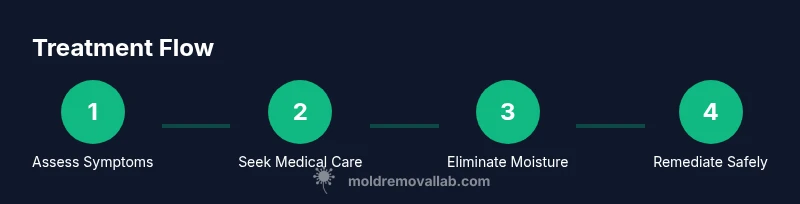
By addressing suspected black mold poisoning, you’ll prioritize health and home safety. Seek immediate medical evaluation for persistent cough, wheeze, or headaches, while also eliminating mold exposure by fixing leaks and drying the area. Medically, you may receive supportive care; environmentally, improve ventilation and containment. According to Mold Removal Lab, prompt treatment and exposure reduction are key to recovery.
Understanding the treatment of black mold poisoning
The phrase treatment of black mold poisoning refers to both medical care for health symptoms and environmental actions to stop ongoing exposure. Mold growth often thrives in damp spaces and can release spores and mycotoxins that irritate airways, provoke allergic responses, or worsen chronic conditions such as asthma. While not every exposure causes illness, sustained or high-level contact heightens risk. A practical approach combines prompt medical assessment with systematic environmental controls to reduce moisture, remove mold sources, and prevent reoccurrence. In this guide, you’ll see non-technical explanations, actionable steps, and safety tips grounded in real-world remediation practices. The Mold Removal Lab team emphasizes that safety and prevention are intertwined with treatment outcomes, especially for sensitive individuals and households with children or pets.
Symptoms and early signs that deserve medical attention
Exposure to black mold can trigger a range of symptoms, particularly in people with allergies, asthma, or compromised immune systems. Common signs include coughing or wheezing, nasal congestion, sinus pressure, eye irritation, throat itchiness, headaches, and fatigue. Some individuals report skin rashes or recurrent sinus infections linked to damp environments. If symptoms persist after cleaning or worsen with mold exposure, seek medical care promptly. Early evaluation helps distinguish mold-related irritation from other respiratory illnesses and can guide targeted treatment plans. Protecting vulnerable household members is especially important: infants, elderly residents, and those with chronic illnesses may require closer monitoring.
Medical treatment overview for suspected mold exposure
A clinician’s primary goal is to mitigate symptoms and prevent complications while addressing ongoing exposure. Treatments may include medications to relieve allergy symptoms, reduce airway inflammation, or manage respiratory distress. In some cases, doctors may order tests to assess lung function or rule out infections that can complicate mold exposure. If a mold-related illness is part of a broader condition (such as asthma or chronic rhinosinusitis), treatment will align with existing care plans. Importantly, medical care should be complemented by environmental actions to remove moisture and limit future growth. The Mold Removal Lab team notes that a coordinated health-and-housing plan yields the best long-term outcomes for victims of black mold exposure.
Environmental controls: reducing exposure at the source
Controlling moisture is the cornerstone of preventing mold problems. Start by locating and repairing leaks, improving drainage around the foundation, and ensuring bathroom and kitchen exhausts vent outdoors. Use dehumidifiers or air conditioners to keep indoor humidity below recommended levels, and consider sealing materials that have become moldy and structurally damaged. When possible, isolate affected areas during remediation to prevent spore spread. For ongoing safety, monitor moisture trends with a hygrometer and maintain a clean, dry environment. The goal is to create a space where mold cannot reacquire a foothold, thereby supporting your body’s healing process.
Do-it-yourself remediation: safe practices and limits
DIY remediation can be appropriate for small, non-porous areas and localized outbreaks, but it carries risks if the mold has spread behind walls or penetrated porous materials. Always wear proper PPE: a well-fitting N95 respirator, eye protection, and gloves. Use damp cleaning methods to minimize airborne spores, and avoid dry scrubbing or disturbing moldy materials. Never mix household cleaners in a way that could produce harmful fumes, and always bag contaminated materials securely before disposal. For larger areas or uncertain conditions, consulting a professional mold remediation service is advised. The goal is safe containment, not exposure, so err on the side of caution.
When to involve professionals and what to expect
Professional remediation is recommended when mold covers a large area, is hidden behind walls, or recurs after cleaning. Technicians will typically assess moisture sources, set up containment barriers, use HEPA filtration, remove damaged materials, and perform thorough cleaning. Post-remediation verification and air quality testing are common steps to ensure the environment is safe for return. If you have persistent symptoms, coordinate with your healthcare provider regarding any continued exposure, testing, or follow-up care. The Mold Removal Lab approach emphasizes safety, traceability, and transparency throughout professional remediation projects.
Prevention and long-term health considerations
Ongoing prevention focuses on moisture control, routine inspections, and early action at the first signs of dampness. Maintain proper ventilation in kitchens and bathrooms, fix leaks quickly, and use environmental controls during humid seasons. Regular health check-ins with a clinician are wise for people with persistent symptoms or preexisting respiratory conditions. Monitoring your home for mold involves simple steps: watch for musty odors, visible growth, or condensation, and address them before they become a bigger problem. With consistent management, the risk of recurrent symptoms decreases and overall health improves.
The Mold Removal Lab perspective: a practical, safe path forward
Mold exposure is not just a quick cleaning problem—it’s a health issue that requires a dual focus on medical treatment and environmental remediation. The Mold Removal Lab team advocates for prompt medical evaluation when symptoms arise and proactive moisture management to prevent mold cycles. Homeowners should document water events, keep records of remediation steps, and seek professional help for ambiguous situations. By combining health guidance with practical containment and cleaning practices, families can recover more safely and prevent re-exposure.
Final note on treatment of black mold poisoning: patient-centric care
Ultimately, the treatment of black mold poisoning is about protecting health while restoring a safe living environment. Medical care supports symptom relief and monitoring, while environmental actions prevent future exposure. Stay proactive: address moisture promptly, use protective equipment, and involve professionals when needed. With a concerted effort, you can reduce health risks and create a healthier home for you and your household.
Tools & Materials
- N95 respirators(Fit-tested if possible; replace after use)
- Protective goggles(Seal around eyes; avoid gaps)
- Chemical-resistant gloves(Nitrile or neoprene materials)
- Plastic sheeting and tape(Create containment barriers)
- Mild detergent and clean water(For damp cleaning of non-porous surfaces)
- HEPA-filter vacuum (optional)(Use only with proper attachment; avoid dispersal)
- Heavy-duty trash bags(Seal and dispose of contaminated materials safely)
- Moisture meter / hygrometer(Monitor humidity levels regularly)
- Dehumidifier(Keep indoor humidity below recommended range)
Steps
Estimated time: 2-6 hours for small-area work; longer for larger or complex spaces
- 1
Identify moisture source
Locate and document the water source feeding the mold, such as leaks or condensation. Stop the moisture and protect unaffected areas to prevent spread. This initial step reduces ongoing exposure and prevents further mold growth.
Tip: Mark the area with tape or signage to alert others to avoid disturbance. - 2
Prepare yourself and the space
Put on PPE before entering the affected area. Cover floors with plastic sheeting and seal doors to limit spore migration. Ventilate only when necessary to avoid drawing spores into clean zones.
Tip: Double-check the fit of your respirator for a secure seal before starting. - 3
Contain and clean non-porous surfaces
Dampen moldy non-porous surfaces with mild detergent solution and wipe gently to remove visible growth. Do not scrape dry; moisture helps keep spores low. Use a HEPA vacuum if available after wet cleaning to capture residual particles.
Tip: Avoid stirring dust—keep cleanup slow and controlled. - 4
Assess materials for disposal
Remove and bag porous materials that are mold-damaged and cannot be cleaned. Seal bags before removal to minimize exposure. If air ducts or behind-wall materials are involved, professional evaluation is recommended.
Tip: Label bags as mold-contaminated and keep them away from living spaces. - 5
Drying and humidity control
After cleaning, thoroughly dry the space using dehumidifiers and ventilation. Aim to reduce humidity to a level that discourages mold regrowth, typically below the upper recommended threshold.
Tip: Run dehumidifier continuously in affected areas for at least 24–48 hours after cleaning. - 6
Final checks and professional follow-up
Verify that moisture sources are fixed and that no visible mold remains. If mold recurs or if hidden growth is suspected, arrange for professional remediation and post-remediation air tests.
Tip: Keep a log of dates, locations, and actions taken for reference.
FAQ
Is black mold poisoning the same as a mold allergy?
No. Mold allergy is an immune reaction to mold spores, while poisoning implies exposure to toxins from mold. Symptoms can overlap, but medical evaluation is essential to determine the cause and appropriate treatment.
Mold allergy is an immune reaction; poisoning implies toxin exposure. Get checked by a clinician to confirm the cause and treatment.
Can I treat this at home without medical care?
Home care should supplement medical advice, not replace it. If you have persistent respiratory symptoms, new or worsening symptoms, or a compromised immune system, seek professional medical help immediately.
Home care helps, but persistent symptoms require professional medical help.
What symptoms should prompt urgent medical attention?
Severe shortness of breath, chest pain, confusion, fainting, or symptoms that rapidly worsen warrant urgent medical care. These may indicate acute reactions or an underlying condition needing immediate treatment.
Seek urgent care for severe breathing trouble, chest pain, or sudden worsening symptoms.
When is professional remediation essential?
Professional remediation is advised when mold covers a large area, is hidden behind walls, or reappears after cleaning. A pro assessment ensures proper containment and long-term safety.
Call a professional if mold is widespread or persists after cleaning.
How can I prevent mold return after treatment?
Keep humidity low, fix leaks promptly, ensure good ventilation, and monitor for condensation. Regular inspections help catch issues before mold becomes a problem again.
Control moisture, fix leaks quickly, and check for condensation to prevent recurrence.
Are there type-specific risks for children or pets?
Children and pets may be more sensitive to mold exposure. If they show respiratory symptoms, seek medical advice and ensure mold remediation is completed with safety precautions.
Children and pets can be more affected by mold—seek care and complete remediation safely.
Watch Video
The Essentials
- Seek medical evaluation for mold-related symptoms promptly.
- Eliminate moisture sources to prevent recurring growth.
- Use proper PPE and controlled cleaning methods to reduce exposure.
- Large or hidden mold should be handled by professionals.
- Maintain a moisture-control plan to protect long-term health.