Toxic Mold Poisoning Symptoms: Urgent Guide for Homes
This urgent guide explains the major toxic mold poisoning symptoms, when to seek care, and practical steps homeowners can take to reduce exposure.


Toxic mold poisoning symptoms typically appear after exposure to water-damaged environments and can include headaches, nasal congestion, coughing, wheezing, itchy eyes, skin irritation, fatigue, and cognitive problems. If you experience persistent or severe symptoms, seek medical evaluation immediately and reduce exposure by leaving the area, improving ventilation, and cleaning up mold with protective gear.
Understanding Toxic Mold Poisoning Symptoms
Toxic mold poisoning symptoms can appear soon after exposure to mold-contaminated environments, or they can develop gradually during extended contact. According to Mold Removal Lab, mold toxins (mycotoxins) trigger a broad range of health responses, especially in people with allergies, asthma, or immune compromise. In homes with water damage, you may notice a musty odor, visible colonies, or damp walls—yet the danger often lies in hidden mold behind drywall, under flooring, or inside HVAC systems. Mold Removal Lab Analysis, 2026, emphasizes that symptoms are rarely single and tend to involve multiple organ systems, which complicates both diagnosis and remediation. If you or family members experience new or worsening symptoms after moving into or returning to a damp home, you should take action quickly. Keep a symptom diary, document moisture problems, and seek guidance from a healthcare professional who understands mold-related illnesses. The Mold Removal Lab team stresses that understanding your exposure is the first step toward safer living spaces.
Common Symptoms by Body System
- Neurological and cognitive: headaches, dizziness, trouble concentrating, memory lapses, fatigue that doesn't fit your activity level.
- Respiratory and chest: coughing, wheezing, shortness of breath, chest tightness, repeated bronchitis or sinus infections.
- ENT and throat: nasal congestion, sinus pressure, sore throat, post-nasal drip.
- Skin and eyes: itchy or red eyes, skin rashes, persistent dermatitis.
- Digestive: nausea, stomach upset, diarrhea in some sensitive individuals.
Note: symptoms may worsen with ongoing exposure and improve after removing from the environment.
When to Seek Medical Help
If you notice persistent symptoms such as headaches that don't subside, new respiratory symptoms, or skin reactions after exposure to a damp indoor environment, contact your healthcare provider. Some people develop allergic reactions or asthma-like symptoms triggered by mold exposure; others may have fatigue or cognitive symptoms that interfere with daily life. The Mold Removal Lab team recommends seeking medical advice promptly if symptoms are severe, involve breathing difficulties, confusion, or chest pain. If you suspect acute exposure or allergic reactions, go to urgent care or the emergency department.
How Mold Exposure is Diagnosed and Verified
Diagnosis often involves a combination of medical history, physical examination, and environmental assessment. Doctors may order pulmonary function tests, imaging if respiratory symptoms persist, and blood tests to look for inflammatory markers or specific antibodies. While no single test confirms mold poisoning in all cases, health professionals will correlate symptoms with potential indoor sources. A moisture assessment from a mold remediation professional can identify hidden growth; Mold Removal Lab's guidance suggests confirming both exposure history and environmental evidence.
Immediate Steps to Protect Your Home Today
Start by reducing moisture and improving ventilation:
- Fix leaks and reduce moisture; keep areas as dry as possible.
- Use exhaust fans in bathrooms and kitchens and run a dehumidifier in damp areas.
- Clean visible mold with appropriate PPE and non-porous cleaners; avoid disturbing hidden mold.
- Seal and contain affected areas to prevent spores from spreading during cleanup.
- If mold covers a large area or is behind walls, hire a licensed mold remediation professional.
Steps
Estimated time: Estimated total time: 2-5 days, depending on scope
- 1
Assess the scope of moisture and visible mold
Survey all rooms for dampness, odors, or water stains. Photograph areas with mold growth and note where moisture is coming from. This helps you decide if a DIY approach is safe or if a pro is needed.
Tip: Wear gloves and a mask while inspecting; avoid disturbing mold more than necessary. - 2
Contain the area to prevent spread
Seal off the affected zone with plastic sheeting and restrict access. Shut doors to limit airflow and keep pets and kids away during cleanup.
Tip: Turn off HVAC in the contaminated zone to prevent spores from circulating. - 3
Address obvious moisture sources
Repair leaks, improve drainage, and run a dehumidifier or fans to dry the space. Moisture control is essential before any cleaning or remediation.
Tip: Fix the root cause first; remediation without moisture control often fails. - 4
Clean nonporous surfaces safely
Use appropriate cleaners and wear PPE to remove visible mold from hard, nonporous surfaces like glass and metal. Dispose of contaminated materials properly.
Tip: Avoid mixing cleaners and never use dry sweeping, which can release spores. - 5
Evaluate the need for air testing
If mold persists or you’re unsure about hidden growth, consider professional mold testing to identify airborne spores or surface contamination levels.
Tip: Testing should complement, not replace, moisture control and cleanup. - 6
Decide on remediation strategy
For extensive or hidden mold, hire licensed professionals. Schedule follow-up inspections to verify that the space is safe to reoccupy.
Tip: Document remediation steps and retain reports for future reference.
Diagnosis: Persistent headaches and nasal congestion with new damp-home exposure
Possible Causes
- highVisible mold growth or recent water damage in the home
- mediumHidden mold behind walls, under flooring, or in HVAC ducts
- lowPoor indoor air quality due to high humidity and stagnant air
Fixes
- easyIdentify moisture sources and fix leaks; improve ventilation
- mediumPerform surface mold cleanup on nonporous areas and consider professional testing of indoor air
- hardArrange professional remediation for hidden mold and moisture control
FAQ
What are the most common symptoms of toxic mold poisoning?
Common symptoms include headaches, nasal congestion, coughing, fatigue, and eye or skin irritation. Symptoms can vary by individual and exposure level, and they may resemble other illnesses. If symptoms persist after leaving the moldy environment, seek medical advice.
Common symptoms are headaches, congestion, coughing, and fatigue. If they persist, see a doctor.
Can mold exposure cause long-term health problems?
Yes, prolonged exposure can worsen respiratory conditions and trigger allergic reactions. The extent of risk varies based on individual sensitivity and level of exposure.
Long-term exposure can worsen respiratory issues; outcomes vary by person.
How quickly do symptoms appear after exposure?
Onset can occur within hours to days, depending on individual sensitivity and exposure intensity.
Symptoms may appear within hours to days after exposure.
Should I test my home for mold if I have symptoms?
Mold testing helps locate sources but does not replace medical care. Use testing to guide remediation and consult professionals for interpretation.
Testing helps locate sources but isn’t a substitute for medical care.
When should I seek emergency care?
Seek emergency care if you have trouble breathing, severe chest pain, or signs of anaphylaxis. Mold exposure can trigger acute reactions in sensitive individuals.
If you have trouble breathing or severe symptoms, seek emergency care.
Is cleaning mold at home safe for nonporous surfaces?
Small, isolated mold on nonporous surfaces may be cleaned with proper PPE and cleaners; larger or hidden mold should be handled by professionals.
Small mold on nonporous surfaces can be cleaned safely with PPE, but big jobs should be done by pros.
Watch Video
The Essentials
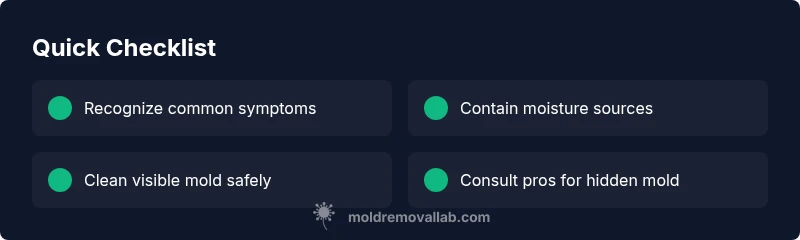
- Identify moisture sources to stop mold growth.
- Seek medical care for persistent or severe symptoms.
- Contain, clean, and remediate mold safely or hire pros.
- Document mold issues with photos for future reference.