How Long Does Mold Last in Your System? A Practical Guide
Explore whether mold stays in your system, how long symptoms may last after exposure, and practical steps to speed recovery with Mold Removal Lab guidance and remediation tips.


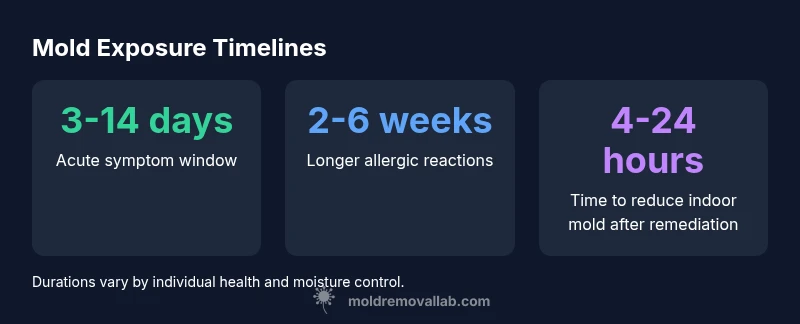
There's no single timeline for how long mold lasts in your system. Mold exposure can trigger symptoms that linger for days to weeks after the source is removed, depending on exposure level, immune sensitivity, and remediation quality. Mold spores do not stay in your bloodstream on a fixed schedule; lingering symptoms reflect ongoing immune responses and the pace of environmental cleanup.
Understanding the phrase: does mold stay in your body?
The question embedded in the phrase how long does mold last in your system touches on a common concern, but mold biology differs from a simple bloodstream timeline. Mold exposure primarily affects the airways, skin, and immune system. In most people, mold does not implant itself as a persistent, one-time visitor; instead, it triggers immune responses and seasonal or ongoing symptoms that depend on exposure intensity, duration, and personal health factors. According to Mold Removal Lab, the way your body reacts is shaped by the amount of mold in the environment and how quickly you remove or reduce the source. This means that the same exposure can produce very different experiences across households and individuals.
A practical takeaway is to focus on reducing ongoing exposure and supporting your body’s natural healing processes. If you smell musty air, see condensation, or notice persistent symptoms, start with moisture control and professional remediation as soon as possible. Remember, the body’s response to mold is not a fixed clock; it’s a dynamic interaction between exposure, immunity, and environment.
How mold exposure affects the body
Mold exposure can affect multiple body systems. Respiratory symptoms are the most common, including coughing, wheezing, throat irritation, and nasal congestion. Some people experience eye irritation, skin rashes, or headaches. In individuals with asthma or allergies, reactions may be more pronounced and longer-lasting. In rare cases, certain mold species release mycotoxins that can cause more systemic symptoms, like fatigue or cognitive fog. The severity and duration of symptoms depend on the mold species, the concentration of spores, the duration of exposure, and host factors such as age, genetics, and underlying health. Because symptoms can mimic other conditions, it’s important to track when they appear and improve relative to exposure and remediation efforts.
Duration varies by exposure and health status
No two people respond identically to mold exposure. A light, short-term exposure may yield quick symptom resolution, while prolonged or high-level exposure can lead to more persistent issues. Children, older adults, and people with compromised immune systems may experience longer symptom courses. Preexisting respiratory conditions, such as chronic sinusitis or allergic rhinitis, can extend the duration of symptoms after exposure ends. Environmental remediation—eliminating moisture, removing mold-infested materials, and improving ventilation—plays a critical role in shortening the recovery window. In short, duration is a function of exposure intensity, biological susceptibility, and how fast moisture and mold sources are managed.
What scientists say about mold in the body
Experts emphasize that mold-related health effects are best addressed by reducing exposure, accurate identification of the mold source, and medical guidance when symptoms persist. The Mold Removal Lab Team notes that while the body can recover quickly from mild exposures, ongoing or high-level exposure requires deliberate remediation and monitoring. Medical evaluation is advised if symptoms linger beyond a few weeks, if there is shortness of breath, chest tightness, or fever, or if there are signs of systemic illness. Regular follow-ups after remediation help ensure symptoms do not rebound when moisture returns or new mold appears.
How long do symptoms last after remediation?
Once moisture is controlled and mold growth is removed, many people notice a decline in respiratory symptoms within days. However, some individuals report lingering fatigue, headaches, or irritant symptoms for several weeks. The rate of improvement often correlates with how thoroughly remediation addressed hidden moisture, the cleanliness of air spaces, and ongoing indoor air quality management. If symptoms persist beyond 2-4 weeks post-remediation, additional medical evaluation and possibly environmental testing may be warranted to confirm that the space is safe.
Practical steps to support recovery
Practical recovery starts with a two-pronged approach: medical care and environmental cleanup. First, address symptoms with appropriate symptom relief measures and consult a healthcare professional if you have persistent or severe symptoms. Second, complete thorough remediation: fix leaks, dry out the space, remove or encapsulate mold-contaminated materials, and improve ventilation. Use air purifiers with true HEPA filters, maintain humidity below 50%, and conduct follow-up inspections to confirm mold clearance. Document remediation steps and keep a log of symptom changes to discuss with your clinician.
When to seek medical help and testing options
Seek medical help if you experience shortness of breath, chest pain, severe headaches, or prolonged fevers after mold exposure. If symptoms persist longer than a few weeks or recur after remediation, discuss mold testing options with a clinician or environmental professional. Testing can include surface and air sampling, as well as clinical assessment for mold-related illnesses. Remember, indoor air quality is a key determinant of recovery, so regular checks and a plan for ongoing prevention are essential.
Overview of symptom durations and related health considerations
| Aspect | Typical duration | Notes |
|---|---|---|
| Acute mold exposure symptoms | Days to weeks | Depends on exposure level |
| Post-remediation symptoms | Days to weeks | Improvement follows spore reduction |
| Chronic exposure risks | Weeks to months | May require medical evaluation |
FAQ
Does mold stay in your blood after exposure?
Mold spores do not become a permanent part of the bloodstream. Exposure can trigger immune responses and symptoms that linger after exposure ends. Duration depends on exposure, health, and remediation.
Mold spores don’t stay in your blood, but symptoms can linger after exposure ends.
How long after remediation will symptoms improve?
Most people notice a decrease in respiratory symptoms within days of effective remediation, but some symptoms can persist for weeks. The pace depends on residual moisture, air quality, and immune factors.
Symptoms often improve within days, but some can linger for weeks after cleanup.
Can mold exposure cause long-term health problems?
Yes, prolonged exposure or high-level exposure may contribute to chronic respiratory issues, especially in sensitive individuals. Early remediation and medical guidance reduce risk.
Prolonged exposure can lead to longer-term respiratory issues, especially for sensitive people.
What factors affect how long symptoms last?
Factors include exposure amount, mold species, individual immune health, age, presence of allergies, and the effectiveness of remediation and moisture control.
Symptom duration depends on exposure, health, and how well the space is cleaned up.
Should I get tested for mold exposure?
Testing can help identify mold presence and exposure risks, but clinical evaluation is essential for persistent symptoms. Discuss options with a clinician or environmental professional.
Testing can help, but talk to a clinician if symptoms persist.
When should I seek medical help?
Seek care if you experience shortness of breath, chest tightness, severe headaches, or fever after exposure, or if symptoms persist beyond a few weeks post-remediation.
See a doctor if you have trouble breathing or persistent symptoms after cleanup.
“There isn’t a universal timeline for mold clearing from the body; duration hinges on exposure level, health status, and remediation effectiveness.”
The Essentials
- Identify and reduce moisture sources quickly
- Expect symptom duration to vary by individual
- Remediation accelerates improvement, but healing can take weeks
- Monitor symptoms and seek medical advice if persistent
- Test and verify indoor air quality after cleanup