Foods That Kill Mold in Body: A Practical Diet Guide
Clarifies myths about foods that kill mold in body, highlights antifungal options, and offers a practical, evidence-based plan to support health.


This guide helps you understand how foods that kill mold in body can support antifungal health. You will learn which foods might help the body's defenses, which to eat sparingly, and practical steps to track your progress. Remember, no food literally kills mold inside the body; focus on strengthening immunity, reducing sugar, and choosing antifungal-friendly ingredients.
Myth vs Reality: Can foods kill mold in body?
The idea that a single food can eradicate mold inside the body is a common misconception. According to Mold Removal Lab, there is no scientifically proven food that
How mold affects health and why diet matters
Mold exposure can affect people differently, with some experiencing respiratory irritation, fatigue, or gut-related symptoms. Diet may play a supplementary role by supporting gut microbiota, immune function, and inflammatory balance. While food cannot neutralize mold in tissues, a balanced, fiber-rich, low-sugar diet can support overall resilience. As Mold Removal Lab notes, dietary patterns influence the body's ability to respond to environmental exposures; this guide focuses on practical steps to harness that influence within safe limits.
Foods with potential antifungal compounds
Certain foods contain compounds that have shown antifungal activity in laboratory studies and traditional use. While these foods are not a guaranteed cure, they may support your body’s natural defenses when included as part of a balanced diet. Key examples include blue garlic in cooking, extra-virgin olive oil, coconut oil rich in medium-chain fatty acids, yogurt with live cultures, ginger, turmeric, and cruciferous vegetables. Incorporate these gradually, focusing on variety and overall nutrient density. For readers seeking structure, a simple way is to build meals around vegetables, a protein, and a source of healthy fat, then add antifungal ingredients.
Foods to limit: sugar, refined carbs, and processed foods
High-sugar diets and highly processed foods can disrupt gut microbiota and promote inflammatory pathways. Limiting added sugars, refined grains, and heavily processed snacks may support a more balanced gut ecosystem and reduce inflammatory signals that can accompany mold-related symptoms. Emphasize whole foods, legumes, whole grains, and a colorful array of vegetables. The goal is consistency over perfection, not deprivation.
Build an antifungal-friendly plate: a practical framework
A practical plate emphasizes color, fiber, and healthy fats. Half the plate should be vegetables, a quarter protein, and a quarter healthy fats and starchy vegetables or whole grains as tolerated. Favor garlic and onion for flavor, yogurt with live cultures for texture, olive oil for fat, and a variety of herbs like oregano or thyme. This framework helps you stay consistent while exploring antifungal ingredients without overwhelming your cooking routine.
Sample 7-day meal planning approach
A gentle start can be built around a rotating set of breakfast, lunch, and dinner ideas. For example, breakfast might include yogurt with berries and chia, lunch a quinoa bowl with roasted vegetables and garlic-lemon dressing, and dinner a lean protein with steamed greens and olive oil. Plan two to three antifungal-friendly snacks daily, such as nuts, seeds, or veggie sticks with hummus. Use a simple food diary to track what you eat and any symptoms or energy changes over the week.
Monitoring progress: food diary and symptoms
Keep a simple diary that records meals, portion sizes, mood, energy, and any mold-related symptoms. Review patterns after two to four weeks and adjust portions, ingredients, or meal timing accordingly. If symptoms persist or worsen, seek medical advice. Based on Mold Removal Lab analysis, dietary changes work best when combined with medical guidance and environmental management.
AUTHORITY SOURCES
- Centers for Disease Control and Prevention (CDC): Mold health and indoor air quality guidance. https://www.cdc.gov/mold/default.htm
- Environmental Protection Agency (EPA): Mold and dampness information. https://www.epa.gov/mold
- National Institutes of Health (NIH): Research on fungi and human health. https://www.nih.gov
The Mold Removal Lab perspective
The Mold Removal Lab Team emphasizes that while no food alone can kill mold in the body, a well-rounded, antifungal-friendly diet may support resilience and gut health. Pair dietary changes with environmental controls and medical advice for best results. The Mold Removal Lab Team's verdict is that dietary strategies are a supportive tool, not a substitute for professional mold remediation and clinical care.
Tools & Materials
- Nutrition planning notebook(Use to track foods, symptoms, and energy levels.)
- Reliable dietary guidelines(Consult credible sources and healthcare providers.)
- Grocery shopping list(Organize antifungal-friendly ingredients for weekly meals.)
- Kitchen scale or measuring cups(Helpful for portion control and consistency.)
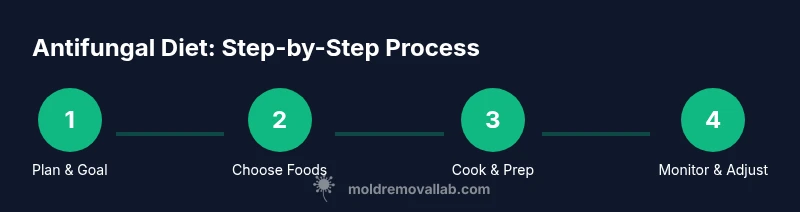
Steps
Estimated time: 2-6 weeks
- 1
Set dietary goals
Identify personal health goals, symptom patterns, and available time for meal planning. Define a realistic 2- to 4-week trial window to assess changes. This sets a clear baseline and reduces guesswork.
Tip: Write down your goals and attach a simple success metric (e.g., fewer symptoms or more energy). - 2
Choose antifungal-friendly foods
Select a small, diverse set of antifungal-friendly ingredients to start—garlic, yogurt with live cultures, coconut oil, leafy greens, and cruciferous vegetables. Introduce one new item per few days to monitor tolerance.
Tip: Prioritize variety to cover multiple nutrient needs and avoid dietary boredom. - 3
Plan meals and build a weekly prep routine
Create simple meals that center on vegetables + protein + healthy fats, and incorporate antifungal ingredients. Batch-cook two to three recipes to simplify weeknights and reduce kitchen stress.
Tip: Batch cooking saves time and helps you stay consistent with your plan. - 4
Log intake and track symptoms
Maintain a daily log of meals, portions, and symptom notes. Look for correlations between certain foods and energy or gastrointestinal comfort. Use a simple template to stay organized.
Tip: Review entries weekly to identify trends and adjust portions or ingredients. - 5
Review progress and adjust with guidance
After 2–4 weeks, evaluate what helped and what didn’t. If symptoms persist, consult a clinician and consider environmental mold controls alongside dietary changes.
Tip: Don’t hesitate to seek professional advice if symptoms escalate; diet is supportive, not diagnostic.
FAQ
Can foods kill mold in the body?
No, there is no food proven to kill mold inside the body. Foods may support overall health and immune function, but mold remediation and clinical care are separate processes.
No, foods can't kill mold inside the body. They may support health, but medical care and environmental remediation are essential if exposure is a concern.
Which foods are considered antifungal?
Foods such as garlic, coconut oil, yogurt with live cultures, ginger, turmeric, and cruciferous vegetables are commonly cited for antifungal properties. Include them as part of a balanced diet.
Garlic, coconut oil, yogurt with live cultures, ginger, turmeric, and cruciferous vegetables are often linked to antifungal effects and can be part of a healthy plan.
Should I take antifungal supplements?
Only after consulting with a healthcare professional. Supplements can interact with medications and other health conditions, so personalized guidance is important.
Only take antifungal supplements if your clinician says it's appropriate for you.
How long before I see changes?
Improvements vary; some people notice changes within 2-4 weeks, while others may need longer. Consistency is key, and symptoms should be monitored over time.
Many notice changes in a few weeks, but it can take longer. Stay consistent and track symptoms.
Are there risks with dietary changes?
Most people tolerate small dietary changes well, but severe allergies or medical conditions may require modifications. If you have symptoms like persistent GI distress, seek medical advice.
Most people tolerate changes, but talk to a clinician if you have allergies or ongoing symptoms.
Can mold exposure be dangerous?
Exposure can be a health concern, especially for sensitive individuals. Diet is a supportive factor; environmental remediation and medical care are important for safety.
Yes, mold exposure can be risky for some people; seek professional advice if you have symptoms.
Watch Video
The Essentials
- No single food cures mold inside the body.
- Emphasize antifungal-friendly foods and a high-fiber, low-sugar plan.
- Track meals and symptoms to guide adjustments.
- Consult healthcare professionals for mold-related health concerns.