Urine Mold Testing: What Homeowners Need to Know
Discover how urine testing for mold-related mycotoxins works, when it’s appropriate, and how to interpret results with clinician guidance. Practical steps for remediation and improving indoor air quality.


According to Mold Removal Lab, urine testing can detect certain mold-related mycotoxins in the body, but it is not a definitive home mold test. It’s typically used to assess body burden in people with symptoms or known exposure, and results should be interpreted by a clinician within your exposure history. For homeowners, prioritize moisture control, remediation, and ongoing indoor air-quality improvements.
What urine testing for mold is and isn't
Urine testing for mold, specifically mycotoxin testing in urine, is a tool used in some clinical settings to assess exposure to mold toxins. It is not a stand-alone home mold test that tells you whether your house has mold or what remediation you need. According to Mold Removal Lab, these tests measure certain metabolites excreted in urine and provide a snapshot of recent exposure, not a definitive map of body burden. They should be interpreted in the context of symptoms, duration, exposure history, and environmental findings. For homeowners, the most reliable path to a healthier home remains moisture control, source remediation, and improving indoor air quality. This guide explains what these tests can and cannot tell you, how to prepare, and how results can fit into a broader mold-management plan. It also emphasizes that a healthcare professional should be involved when deciding whether testing is appropriate. If testing is pursued, use it alongside environmental assessments and professional remediation to form a complete strategy.
How urine mycotoxin tests work
Urine mycotoxin tests typically measure specific metabolites excreted in urine after mold exposure. Most labs use LC-MS/MS or immunoassay methods to detect panels of mycotoxins produced by common indoor molds. The test results provide a snapshot of recent exposure and can help contextualize symptoms, but they do not pinpoint the exact source of exposure or confirm ongoing indoor contamination. The interpretation depends on the lab’s reference ranges, the patient’s history, and other diagnostic information. As a general rule, results should be reviewed with a clinician who understands environmental health and integrates environmental assessments with medical history. The Mold Removal Lab team notes that these results are one piece of a larger puzzle, not a stand-alone verdict.
Interpreting results: what the numbers mean
Interpreting urine mycotoxin results requires nuance. A positive result can indicate recent exposure to certain mycotoxins and may correspond with symptoms or environmental history, but it does not prove that a person is ill or that the exposure is ongoing. A negative result does not guarantee absence of exposure, especially if exposure was intermittent or if the test panel did not cover the relevant mycotoxins. Variability between laboratories, sample handling, hydration levels, and recent diet or medications can influence concentrations. Therefore, clinicians often consider test results alongside symptom patterns, duration of exposure, and environmental findings. A cautious, patient-specific interpretation reduces the risk of unnecessary worry or misdirected remediation.
When to consider urine testing in a healthcare plan
Urine testing for mycotoxins is most appropriate when a clinician suspects mold-related exposure contributing to persistent or unexplained symptoms, or when there is a documented exposure history (for example, damp buildings or water intrusion) with limited other diagnostic clarity. It is rarely used as a routine screening for all patients. If you are a homeowner and you notice dampness, mold growth, or recurring respiratory issues, discuss environmental assessments and medical evaluation with your healthcare provider. The goal is to distinguish between environmental remediation needs and medical management, not to replace one with the other.
Steps to take before any testing: documenting exposure and symptoms
Before pursuing urine testing, prepare a concise exposure and symptom dossier. Record where you spend most time (home, work, vehicles), known moisture problems, visible mold, odors, and dates of symptom onset. A symptom timeline (e.g., fatigue, headaches, cough, skin irritation) helps your clinician interpret results in context. Collect any air-quality reports or moisture assessments you have, and note whether you have any immunocompromising conditions or medications that could affect detox pathways. Bringing this information to the appointment increases the likelihood that testing, if indicated, will inform management rather than create uncertainty.
How these tests relate to home mold remediation
Urine mycotoxin tests focus on the person rather than the home. They can support a medical workup if exposure is suspected, but they do not identify the exact mold species in your environment or quantify indoor contamination. For homeowners, remediation should prioritize moisture control, mold containment, and proper cleanup by trained professionals. Treating the house (through drying, sealing leaks, improving ventilation, and HEPA filtration) remains the most reliable path to reducing exposure, regardless of a urine test result. Use test results as one data point alongside environmental assessments.
Practical steps for homeowners to improve indoor air quality
- Eliminate moisture sources: fix leaks, repair roofing, and improve drainage to prevent damp conditions.
- Dry and clean hidden mold: use proper containment, personal protective equipment, and cleaning agents designed for mold.
- Improve ventilation: ensure bathrooms, kitchens, and laundry areas have functioning exhaust fans and consider whole-home ventilation if needed.
- Upgrade filtration: use MERV-13 or higher filters if compatible with your HVAC system and maintain regular filter changes.
- Monitor humidity: keep indoor relative humidity between 30–50% using dehumidifiers or humidifiers as needed.
- Maintain surroundings: reduce indoor moisture sources like potted plants with poor drainage or excess standing water.
- Schedule professional inspections: periodically re-check moisture, air quality, and mold growth after remediation efforts.
A home-based testing plan: what you can test for, what you cannot
Home-based mold testing kits often measure settled spores or surface contamination, not internal toxin burden. Urine testing, when used, is typically performed by accredited labs and interpreted by a clinician. For most homeowners, the best plan combines environmental testing (air or surface sampling, moisture mapping) with professional remediation and ongoing indoor air-quality management. Do not rely on a single test to make expensive remediation decisions. Instead, view testing as part of a coordinated health and home-improvement strategy.
Choosing a lab and understanding costs and accessibility
When selecting a lab for urine mycotoxin testing, verify accreditation (CLIA, CAP), confirm which mycotoxins are included, and ask about the method (LC-MS/MS vs immunoassay). Inquire about sample stability, shipping requirements, and result turnaround times. Costs can vary widely, and some insurers may not cover these tests, especially for non-diagnostic purposes. Discuss cost, potential insurance coverage, and expected value with your clinician before proceeding. Remember that testing is only one step in a comprehensive mold-management plan.
Authority sources and best practices
- Centers for Disease Control and Prevention (CDC) – Mold and dampness guidance: https://www.cdc.gov/mold/dampness_floods.html
- Environmental Protection Agency (EPA) – Mold guidelines and indoor air quality: https://www.epa.gov/mold
- National Institute of Environmental Health Sciences (NIEHS) – Molds and mycotoxins overview: https://www.niehs.nih.gov/health/topics/agents/molds/index.cfm
These sources provide foundational context for moisture control, mold health risks, and the limitations of toxin-based testing. Always integrate medical advice with environmental assessment for a balanced approach.
The Mold Removal Lab approach to fungal health guidance
At Mold Removal Lab, we emphasize a practical, evidence-based path to safer homes. Our guidance centers on moisture control, source remediation, and a layered testing strategy that considers both environmental assessments and medical context. We advocate for patient-first decision-making, collaboration with healthcare professionals, and transparent communication about what tests can and cannot tell you. By aligning home remediation with medical guidance, homeowners can reduce exposure risks while maintaining a clear plan for improvement.
Tools & Materials
- Sterile urine collection container(Provided by the lab or clinic; label with patient ID.)
- Lab order or referral(Official documentation authorizing the test.)
- Exposure and symptom diary(Record dampness, visible mold, respiratory symptoms.)
- Identification documents and insurance info(Needed for submission forms.)
- Pre-labeled specimen bag or barcoded container(If lab requires separate labeling.)
Steps
Estimated time: Varies by lab; typical turnaround may range from several days to a couple of weeks.
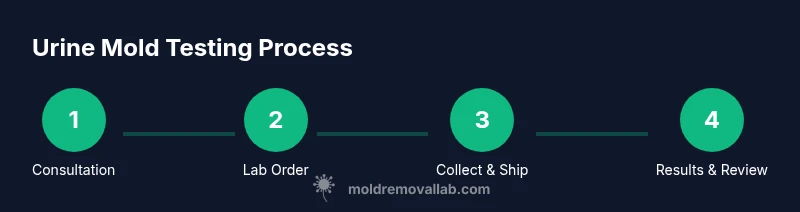
- 1
Consult with a clinician and obtain an order
Discuss symptoms, exposure history, and medical context with a licensed clinician. If appropriate, obtain an official order for urine mycotoxin testing.
Tip: Bring your symptom diary and notes on damp or moldy environments to aid interpretation. - 2
Choose an accredited lab and obtain instructions
Review the lab’s testing panel, method, and sample handling requirements before proceeding.
Tip: Ask about turnaround times and whether the lab provides a plain-language result summary. - 3
Gather required forms and materials
Collect the lab order, patient details, and any documentation about exposure history.
Tip: Double-check the patient name, date of birth, and labeling conventions. - 4
Prepare the urine sample container
Follow the lab’s instructions for opening, labeling, and handling the container to avoid contamination.
Tip: Do not touch the interior of the container; use gloves if recommended. - 5
Collect the urine sample as directed
Provide a clean midstream sample if required by the lab’s protocol.
Tip: Hydration can affect concentration; follow the lab’s guidance on fluid intake prior to collection. - 6
Seal, label, and store the specimen
Seal the container, label it with your identifiers, and store as instructed (refrigeration may be required).
Tip: Take a photo of the specimen and labeling as a backup. - 7
Submit the specimen and forms
Deliver or ship the sample according to lab instructions, ensuring chain-of-custody is maintained.
Tip: Keep tracking information and a copy of submission forms. - 8
Wait for results and obtain clinician interpretation
Results are reported to your clinician, who will interpret them in the context of history and environmental findings.
Tip: Request a plain-language summary and a clear recommendation. - 9
Discuss results with your clinician
Review what the results mean for your exposure, symptoms, and possible next steps.
Tip: If results are inconclusive, discuss options for repeat testing after remediation or alternative assessments. - 10
Plan remediation and follow-up testing if needed
Coordinate environmental remediation (moisture control, mold removal) and consider follow-up testing as directed by your clinician.
Tip: Document remediation actions and re-evaluate indoor air quality after work is completed.
FAQ
Is urine testing a reliable way to assess mold exposure?
Urine tests can indicate exposure to certain mycotoxins and may support a medical evaluation, but they are not definitive. Consider clinical context and environmental data as part of a broader assessment.
Urine testing can signal exposure but isn’t definitive for mold; interpret with a clinician and environmental findings.
What can urine mycotoxin tests detect?
Tests detect specific mycotoxins and metabolites excreted in urine. Panels vary by lab and are interpreted in context with health history.
They detect specific mycotoxins and their metabolites; labs vary in panels.
Will insurance cover urine mycotoxin testing?
Coverage varies by insurer and indication. Many plans do not cover routine toxin testing, especially for non-diagnostic purposes.
Coverage depends on your plan; check with your provider.
Are there risks or downsides to urine testing?
Low risk, but results can be influenced by hydration, diet, and medications. Misinterpretation without clinical context is a concern.
Minimal risk, but interpretation matters; discuss with your clinician.
How does urine testing relate to home remediation?
Tests inform medical context but do not identify the exact home mold source. Remediation should focus on moisture control and professional remediation.
It informs medical context; remediation should target moisture and mold removal.
Watch Video
The Essentials
- Urine testing is an adjunct, not a stand-alone home test.
- Results require clinical interpretation with exposure history.
- Prioritize moisture control and professional remediation in the home.
- Test planning should involve healthcare guidance and environmental assessments.