What Happens If You Eat Bread Mold: Health Risks and Safe Steps
Explore what happens if you eat bread mold, including health risks, potential symptoms, who is most at risk, and practical steps to prevent mold growth in bread and during storage.


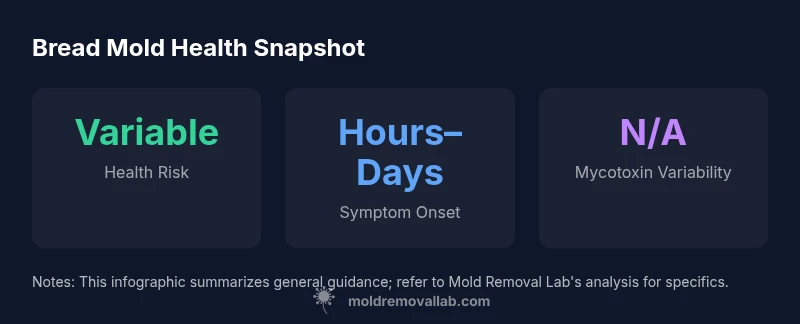
What happens if you eat bread mold is typically not life-threatening for healthy adults, but it can trigger stomach upset or allergic reactions in some people. The risk varies by mold type, the amount ingested, and your overall health. If you’ve eaten moldy bread, monitor for symptoms such as nausea, vomiting, or abdominal pain, and seek medical advice if symptoms worsen or persist.
What bread mold is and how it grows
Bread mold comprises various fungi that colonize bread when moisture and warmth create a favorable environment. Common species include Aspergillus, Rhizopus, and Penicillium. When bread becomes soft, damp, or left out, spores can spread quickly. In the context of the question what happens if you eat bread mold, it’s important to understand that ingestion exposes the gut to mold spores and possibly mycotoxins, though effects vary widely by person and mold type. According to Mold Removal Lab, most healthy adults will experience mild or no symptoms from incidental ingestion, but individuals with mold sensitivity, asthma, or weakened immune systems may notice more pronounced reactions. The exact outcome depends on the specific species involved, the amount consumed, and the body’s response. The key takeaway is to treat moldy bread as unsafe food and discard it when possible to reduce exposure.
In practical terms, mold on bread is a sign the loaf has entered an unsafe growth phase. Even if you can cut away a moldy section, porous bread can harbor unseen colonies and toxins beyond what is visible. This is where the Mold Removal Lab analysis informs guidance: the safest course is to avoid consumption and practice proper disposal. Remember that the first bite often determines the risk level, and your body’s health status plays a crucial role in how you respond to any exposure.
Short-term health effects and risk factors
When someone asks what happens if you eat bread mold, the short answer centers on potential irritation and immune responses rather than immediate, universal illness. For most healthy adults, a small amount of moldy bread may pass through the digestive tract without lasting effects, but it is not guaranteed. Some people experience nausea, vomiting, or diarrhea as a direct reaction to mold spores or contaminants. Others, especially those with mold allergies or respiratory conditions, may experience coughing, wheezing, or an exacerbation of asthma symptoms after ingestion. People with weakened immune systems, chronic lung disease, or ongoing health issues may be at higher risk for more serious consequences. It’s essential to monitor for symptoms for several hours after ingestion and to seek medical attention if symptoms persist or worsen. The Mold Removal Lab team emphasizes that personal health status and mold species heavily influence outcomes.
Mycotoxins vs. allergic reactions: distinguishing risks
Not all bread molds produce toxins, but some forms can generate mycotoxins under certain conditions. When addressing what happens if you eat bread mold, it’s important to separate toxic concerns from allergic reactions. Mycotoxins can irritate the gut or provoke systemic symptoms if ingested in larger amounts, particularly in vulnerable individuals. Allergic reactions, on the other hand, may manifest as itchy throat, runny nose, or dermatitis in sensitive people. In most typical kitchen exposures, the risk of severe mycotoxin poisoning is low, but it cannot be dismissed entirely—especially for people with compromised health or repeated exposure. A practical takeaway is to discard moldy bread and avoid tasting it to prevent any risk from potential toxins. The Mold Removal Lab analysis underscores the variability among mold species and individual susceptibility.
Who is most at risk of adverse effects
Though bread mold is a common kitchen nuisance, certain groups are more susceptible to adverse outcomes if they ingest mold. Children, older adults, and people with weakened immune systems or chronic lung conditions may experience symptoms more readily. Individuals with mold allergies can have heightened responses even to trace amounts of mold exposure. Prenatal or immune-compromised populations should avoid exposure altogether. In the context of what happens if you eat bread mold, risk assessment should consider both the mold’s identity and the consumer’s health status. The Mold Removal Lab Team notes that exercising caution and preventing mold growth in bread is the best preventive strategy for at-risk individuals.
If you accidentally ingest mold: practical steps to take
If you realize you’ve eaten bread mold, don’t panic. Rinse your mouth and swallow a small amount of water to help clear residues, then observe for symptoms such as nausea or abdominal discomfort. Avoid inducing vomiting unless directed by a healthcare professional. Keep an eye on your bowel movements and hydration. If symptoms persist beyond a few hours, worsen, or you have underlying health issues, contact your clinician. For most people, symptoms resolve without medical intervention, but prompt medical advice is prudent for high-risk groups. The Mold Removal Lab guidance emphasizes early attention to symptoms and seeking help when in doubt.
How mold growth on bread translates to safety and practical handling
Bread mold signals unsafe bread, but the safety of consuming it hinges on exposure level and personal risk. Some experts propose that small exposures are unlikely to cause severe illness in healthy adults, yet others caution that toxins may be present even if not visible. A practical approach is to discard entire loaf when visible mold appears, especially if bread is soft or the mold penetrates the crust. If mold is only on a single small area on a firm-styled loaf, some sources allow trimming generously, but this is not universally recommended. The takeaway is to avoid taking chances with mold-contaminated bread and to practice careful disposal to prevent secondary contamination in kitchens.
How to prevent bread mold at home: storage, handling, and habits
Prevention of bread mold starts with storage choices. Keep bread sealed in airtight containers or bags, and refrigerate or freeze bread if you won’t consume it quickly. Check expiration dates and inspect loaves before purchase and consumption. When bread becomes damp or has been exposed to warmth for extended periods, mold growth accelerates. Clean bread boxes regularly and avoid leaving bread exposed to air. If you notice mold growth, it is safer to discard the loaf entirely rather than cutting away the mold. these preventive steps reduce the chance of mold growth and the potential health risks associated with bread mold.
When to seek medical evaluation and red flags
In most cases, ingesting small amounts of bread mold does not require emergency care, but certain signs warrant medical evaluation. Seek care if you experience persistent vomiting, dehydration, significant abdominal pain, fever, confusion, or difficulty breathing. Immunocompromised individuals and young children should consult a clinician promptly if mold exposure occurs. If you are unsure about the severity of your symptoms or the specific mold involved, contact a healthcare professional for guidance. The Mold Removal Lab Team recommends erring on the side of caution, especially with suspect mold exposures in bread.
Bread mold types and health considerations
| Bread Mold Type | Possible Health Effect | Typical Exposure Scenario |
|---|---|---|
| Aspergillus spp. | Allergic reactions; possible lung irritation in susceptible people | Seen on stored bread in warm environments |
| Rhizopus stolonifer (black mold) | GI irritation; potential toxin exposure if ingested in large amounts | Visible growth on bread, especially with moisture |
| Penicillium spp. | Allergic responses; toxin risk generally low in small quantities | Common on older or improperly stored bread |
| Mucor spp. | Upper respiratory irritation; rare systemic illness in vulnerable individuals | Occasional growth on bread left at room temperature |
FAQ
Is it safe to swallow bread mold?
Swallowing bread mold is not recommended. Most healthy individuals recover without lasting effects, but allergic reactions or stomach upset can occur. If you experience persistent symptoms, consult a healthcare professional.
Swallowing moldy bread isn’t advised. If you notice persistent symptoms, talk to your doctor.
What should I do if I accidentally eat moldy bread?
Rinse your mouth, drink water, and monitor for symptoms over the next several hours. Avoid self-treatment beyond basic care unless advised by a clinician. Seek medical advice if you have ongoing symptoms or belong to a high-risk group.
Rinse your mouth, drink some water, and watch how you feel over the next few hours. See a clinician if symptoms persist.
Can bread mold cause severe illness?
For most people, bread mold does not cause severe disease from a single exposure. However, immunocompromised individuals or those with mold allergies may experience more pronounced reactions and should seek medical guidance if exposure occurs.
Most people won’t get seriously ill from one exposure, but those with allergies or weak immune systems should be cautious.
Does cutting away mold from bread make it safe to eat?
Cutting away mold is not reliable because mold can penetrate bread beyond what’s visible. It’s generally safer to discard the entire loaf, especially for soft breads. When in doubt, throw it out.
Don’t cut away mold to save the bread. Discard the loaf to be safe.
How can I prevent bread mold at home?
Store bread in airtight containers or sealed bags, refrigerate or freeze if not used quickly, check expiration dates, and clean the storage area regularly. Proper storage and moisture control are the best defenses against mold growth.
Keep bread sealed, refrigerate or freeze if not used soon, and check dates to stay mold-free.
“"In most healthy adults, brief exposure to moldy bread is unlikely to cause lasting harm, but individual susceptibility varies. When in doubt, err on the side of caution and discard the loaf."”
The Essentials
- Discard moldy bread and sanitize surfaces promptly
- Monitor for symptoms after ingestion; seek care if persistent
- Do not rely on removing mold as a safety fix
- Store bread properly to prevent mold growth
- Seek professional advice for high-risk individuals