Snow Mold on Grass: Practical Guide to Identification and Remediation
Identify snow mold on grass, prevent spread, and restore a healthy lawn with practical, step-by-step guidance for homeowners and renters.


This how-to guide helps you diagnose snow mold on grass and implement a practical remediation plan. You’ll learn immediate actions to minimize damage, plus long‑term prevention strategies that work for homeowners and renters alike. By following these steps, you can set your lawn on a path to recovery before spring soils warm. The guidance emphasizes safety, moisture management, and timely reseeding.
What is snow mold on grass?
Snow mold on grass is a fungal disease that takes advantage of winter conditions when snow blankets the lawn and keeps the turf damp long enough for fungi to grow. According to Mold Removal Lab, this issue is most common after heavy snows linger into late winter or early spring, especially on lawns with poor drainage or high thatch. There are two forms you’ll typically encounter: gray snow mold, caused by Typhula species, and pink snow mold, commonly linked to Microdochium nivale. Both forms produce circular patches that turn brown or gray, with white or pinkish growth at the lesion margins during canopy revival. Early recognition is key, because healthy, actively growing turf will recover more easily if you manage moisture and debris promptly and correctly.
As you inspect your lawn, look for soft, water-soaked patches that don’t dry quickly, plus a fuzzy or cottony margin as temperatures rise. Snow mold on grass can be mistaken for drought stress or cold damage, so consider blade height, patch shape, and the presence of mycelial growth when identifying the issue. The Mold Removal Lab team emphasizes that accuracy in diagnosis helps tailor remediation and prevent unnecessary chemical use.
For homeowners and renters coping with winter turf problems, understanding the difference between the gray and pink forms is helpful. Gray mold often shows up as light brown patches with a grayish-white mycelium in the center, whereas pink mold tends to produce a pinkish tinge and more pronounced fluffy growth along the edges. Regardless of form, the key is to reduce leaf litter, excess moisture, and snow cover duration that foster fungal spread on grass.
Gray snow mold vs pink snow mold: two forms you may see on your lawn
Gray snow mold and pink snow mold are two common culprits behind winter lawn damage, but they differ in appearance and behavior. Gray snow mold (Typhula spp.) tends to form circular or irregular patches that can feel soft to the touch when the turf is thawing. The underlying grass blades may recover once temperatures rise if the soil is not severely compacted and moisture is controlled. Pink snow mold (Microdochium nivale) often presents with a pinkish to salmon-colored mycelium on the leaf blades, and it can invade patches more aggressively in damp, mild conditions. Recognizing these visual cues helps you decide whether to simply monitor the lawn or take immediate remediation steps. While neither form is inherently fatal, both reduce turf density and can invite weed establishment if left unmanaged. Protecting root systems and minimizing soil disturbance during thaw are recommended approaches from the Mold Removal Lab Team to encourage recovery and prevent long-term thinning.
How snow mold forms on grass: environmental factors that matter
Snow mold on grass thrives when several conditions align: persistent snow cover, high humidity, and cool temperatures that prevent rapid drying of the turf. Areas with poor drainage or heavy thatch are particularly prone, as standing water beneath the snow sustains fungal activity. Shade also plays a role; lawns shaded by trees or structures dry more slowly and retain moisture longer, creating a hospitable environment for mold. As winter ends and the snow melts, turf that has endured prolonged dampness will often display the telltale patches. The combination of moisture, limited airflow, and low light levels creates a perfect storm for snow mold on grass to establish itself and spread across seasonally stressed patches. Understanding these factors helps homeowners plan preventative practices, like improving drainage, reducing thatch, and adjusting mowing height before the first snowfall.
Immediate actions if you spot snow mold on grass
If you suspect snow mold on grass, act quickly but calmly. Begin by limiting foot traffic on the affected areas to prevent further damage and spore dispersion. If feasible, gently brush off excess snow from patches using a soft rake or broom to improve airflow and help the turf dry. Remove fallen leaves and debris that can trap moisture on the soil surface. Do not apply aggressive chemicals to actively growing lawn—this can stress the grass and worsen injury. Instead, focus on drying the soil, reducing moisture, and preparing the seedbed for later reseeding. By taking these careful steps, you reduce inoculum and give your lawn a better chance to recover as temperatures rise.
Step-by-step cleanup to start recovery (and why it matters)
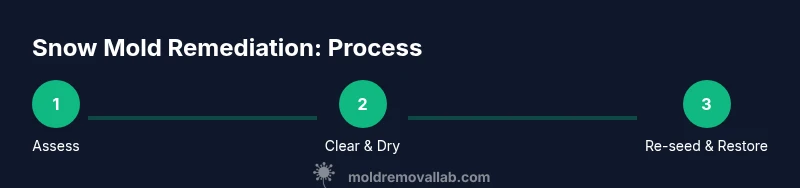
Snow mold on grass heals best when you follow a structured cleanup and recovery plan. Start by identifying and isolating affected zones, then remove heavy thatch and debris to improve airflow. Cleaning up promptly reduces the fungal load and supports faster turf recovery. Consider overseeding damaged patches after the area is dry and the soil temperature is favorable for germination. Finally, monitor irrigation to avoid prolonged leaf wetness, which can perpetuate mold growth. Following a methodical approach aligns with best practices recommended by the Mold Removal Lab Team to help your lawn rebound and regain density more quickly.
Prevention strategies for next winter: keeping snow mold at bay
Prevention hinges on moisture control, good soil structure, and proper lawn care throughout the growing season. Aerate compacted areas to improve drainage and oxygen delivery to roots, and reduce excessive thatch that can harbor moisture. Maintain mowing heights that promote strong turf blades capable of shading soil and reducing surface moisture. In late fall, avoid heavy nitrogen fertilization that keeps turf soft and susceptible to disease; instead, apply a balanced program that supports cold-season resilience. Clearing fallen leaves and ensuring efficient drainage around the lawn edges minimizes long-term moisture pockets under snow cover. By adopting these proactive steps, homeowners can lower the risk of snow mold on grass in future winters.
When to call a professional and what to expect
If snow mold on grass covers large areas, recurs season after season, or if you notice severe thinning or structural damage to your lawn, professional remediation may be warranted. A lawn care professional can assess drainage, soil pH, and turf species to tailor a remediation plan that may include targeted overseeding, soil amendments, or fungicide strategies aligned with local regulations. The Mold Removal Lab Team recommends seeking expert guidance when patch sizes exceed a few square feet or when recovery seems uncertain, as timely intervention can preserve lawn resilience and prevent weed invasion during spring renovation.
Tools & Materials
- Protective gloves (nitrile or latex)(to handle contaminated grass and soil safely)
- N95 respirator or equivalent(to filter spores and dust during cleanup)
- Garden rake(for dethatching and debris removal without tearing turf)
- Plastic bags or sealable containers(for disposing infected material and debris)
- Plastic sheeting or tarp(to contain debris during cleanup if needed)
- Lawn aerator or hand aerator (optional)(to improve drainage and soil aeration in affected areas)
Steps
Estimated time: 2-3 hours
- 1
Assess and identify
Survey the lawn to map affected patches and compare gray vs pink snow mold visuals. Note patch size and whether growth is more vigorous along edges or in center. This helps determine the urgency and exact remediation steps.
Tip: Take clear photos to track progress and guide future prevention. - 2
Protect yourself and restrict access
Put on PPE (gloves, mask) and keep pets and children away from the affected zones to limit exposure to fungal material during cleanup.
Tip: Avoid eating or rubbing eyes until you’ve finished handling the area. - 3
Gently clear excess moisture
Brush off loose snow from patches with a soft broom or rake. This increases air movement and helps the turf dry more quickly without disturbing underlying mycelium.
Tip: Do not aggressively scrape; this can spread spores and widen damaged areas. - 4
Remove debris and improve airflow
Rake away leaf litter and thatch from the affected areas to reduce moisture retention. If soil is compacted, consider light aeration to improve drainage.
Tip: Work while the surface is dry to prevent clumps and mud. - 5
Plan reseeding after drying
Once patches are dry and the soil temperature is suitable, overseed damaged zones with a grass seed mix appropriate for your region. Lightly rake the seed into the soil and keep the area moderately moist during germination.
Tip: Avoid over-seeding; follow local extension service recommendations for seed rates. - 6
Monitor moisture and resume normal care
Gradually return to regular mowing and irrigation while avoiding prolonged leaf wetness. Check patches weekly for signs of recovery or persistence and adjust care as needed.
Tip: Set up a simple rain gauge to avoid overwatering when rainfall is sufficient.
FAQ
What is snow mold on grass?
Snow mold on grass is a fungal disease that thrives under snow cover when moisture lingers. It appears as discolored patches with white or pink fuzzy growth and reduces turf density. Early identification and proper moisture management are key to recovery.
Snow mold on grass is a winter fungal disease that appears as discolored patches under snow. Catch it early and manage moisture to help the lawn recover.
How can I tell gray snow mold from pink snow mold?
Gray snow mold (Typhula spp.) usually shows grayish patches with little or no pink growth, while pink snow mold (Microdochium nivale) often has a pink-fuchsia tint and fluffy margins. Visual cues plus patch behavior help distinguish them, but both benefit from moisture control.
Gray snow mold shows gray patches; pink snow mold often has a pink tint and fluffy edges. Both need moisture control for recovery.
Will snow mold go away on its own?
In some cases, healthy turf can recover as weather conditions improve, but persistent moisture and damaged patches may require reseeding and targeted maintenance. Proactive management improves the odds of full recovery.
Healthy turf may recover as conditions dry, but persistent damage often needs reseeding and maintenance.
When should I reseed after snow mold?
Wait until patches are dry and soil temperatures are conducive to seed germination. Follow local recommendations for seed type and seeding rate, and keep the soil consistently moist during germination.
Wait for dry patches, then reseed with season-appropriate grass and keep the soil moist during germination.
Can snow mold be prevented next winter?
Yes. Improve drainage, reduce thatch, clear leaves in fall, and avoid overwatering or excessive nitrogen late in the season. Maintaining healthy turf reduces susceptibility to snow mold under snow cover.
Yes—good drainage, proper thatch control, and balanced fall care reduce winter mold risk.
Should I use fungicides for snow mold on grass?
Fungicides can be an option in severe or persistent cases, but they’re not a universal solution. Consult your local extension service or a lawn care professional to choose an appropriate, region-specific approach.
Fungicides may help in some cases; talk to a local expert to tailor treatment.
Watch Video
The Essentials
- Identify snow mold on grass promptly to limit spread.
- Address excess moisture and debris to restore airflow.
- Reseed damaged patches after the area dries and soil conditions improve.
- Manage moisture year-round to prevent recurrence.
- Consult a professional for large-scale or persistent damage.