How Fungus Comes: Indoor Mold Growth Guide
Discover how fungus comes, the conditions that feed mold growth, and practical steps to prevent and remediate it in your home. This Mold Removal Lab guide translates science into actionable homeowner steps.


Fungus comes from airborne spores that land on damp surfaces. When there is persistent moisture, warmth, and an available food source (organic material), these spores germinate and form visible growth. This guide explains how spores enter homes, the conditions that promote growth, and practical steps you can take to prevent and remediate mold safely. Understanding this helps protect health and property.
What fungus is and how fungus come
Understanding how fungus come starts with recognizing that mold and other fungi are living organisms that reproduce through tiny airborne spores. These spores travel with air currents and settle on any surface that provides moisture and a food source. In indoor environments, spores can begin to germinate whenever there is a combination of warmth, humidity, and organic material to feed the colony. According to Mold Removal Lab, even a small leak or hidden moisture behind walls can seed growth if the area remains damp long enough. The mistake many homeowners make is treating symptoms (like a musty odor) without addressing the moisture source. This section lays the groundwork for why moisture control is the first line of defense against any indoor mold problem.
The biology of spores and growth conditions
Molds reproduce via spores that detach from the mycelium and float through the air. When a spore lands on a suitable surface, it begins to germinate and form hyphae, which weave together into a network called a mycelium. The growth process depends on three core factors: a steady moisture source, a temperature range that supports metabolic activity, and a nutrient supply from organic materials like wood, drywall, or dust. Moisture is the dominant driver, while temperature and available substrate influence the rate of growth. Mold can establish itself in hidden pockets—behind walls, under flooring, or inside insulation—where it may go unnoticed until visible signs appear.
Common sources and environments for mold growth in homes
Most indoor mold growth occurs in places where moisture accumulates or leaks occur. Bathrooms, basements, laundry rooms, kitchens, and areas around sinks or pipes are common hotspots. Condensation on windows, poorly sealed attics, and ductwork with humidity infiltration can also sustain growth. Materials that retain moisture, such as drywall, fabric, carpet, and wood, provide abundant food for fungal colonies. Regular inspection of these environments helps catch early signs before a large area becomes contaminated. In addition, Dust and debris can harbor mold spores and support regrowth if not cleaned properly.
How fungus comes into your home: pathways and triggers
Spores can enter homes through open doors and windows, cracks in foundations, HVAC systems, and even on clothing or pets. Once inside, persistent moisture from leaks, groundwater intrusion, roof problems, or high humidity creates inviting conditions for growth. Triggers include recent flooding, persistent condensation, or high-moisture activities without adequate ventilation. Understanding these pathways helps homeowners install effective barriers—fixing leaks, improving ventilation, and using continuous dehumidification when needed.
Assessing moisture, humidity, and structural risks
Effective prevention starts with assessment. Use a moisture meter to identify hidden damp zones behind walls or under flooring, and check for elevated humidity in problem areas. Visual cues include stained surfaces, warped panels, and musty odors. Structural risks such as wood rot or compromised seals increase the likelihood of growth and amplify remediation complexity. Establish a routine, documentation habits, and visual checks to catch problems early before a small issue becomes a large infestation.
Cleaning, containment, and remediation approaches
Addressing mold safely requires containment, protective equipment, and appropriate cleaning methods. For small, nonporous patches, a detergent solution and scrubbing can remove visible growth. Porous materials with extensive contamination may need removal and replacement. Use plastic sheeting to contain the work area, and ensure good ventilation to reduce spore concentration during cleanup. Avoid mixing cleaners that can release harmful fumes, and never ignore water intrusion—drying and addressing the source matter as much as removal.
Prevention strategies to stop future growth
Long-term prevention blends moisture control, regular maintenance, and habit changes. Fix leaks promptly, improve ventilation in moisture-prone areas, and keep indoor humidity at comfortable levels with dehumidification. Clean and dry damp areas within 24 to 48 hours to minimize the chance of colony formation. Periodic inspections, especially after weather events or renovations, help catch problems early. Mold Remediation planning should emphasize proactive steps that reduce recurring moisture and food sources for fungi.
Conclusion and practical next steps
The path to a mold-free home is built on moisture management, timely inspection, and safe remediation practices. By understanding how fungus come and the conditions that foster growth, homeowners can take concrete actions to reduce risk. If growth is extensive or recurrent, professional assessment is advised to ensure complete removal and to prevent future issues. The Mold Removal Lab team recommends starting with moisture audits and addressing any leaks or damp areas first.
Tools & Materials
- Moisture meter(To detect hidden moisture behind walls and in flooring)
- N95 respirator(Protects from inhaling spores during inspection and cleanup)
- Protective gloves(Prevents skin contact with mold and cleaners)
- Safety goggles(Eye protection against splashes and spores)
- Plastic sheeting (6 mil) and tape(Contain mold during remediation to limit spread)
- Detergent or mold cleaner(Used for cleaning nonporous surfaces)
- Bucket and scrub brush(Scrub tools for removing surface growth)
- Dehumidifier or drying fans(Accelerates drying to prevent regrowth)
Steps
Estimated time: 2-6 hours
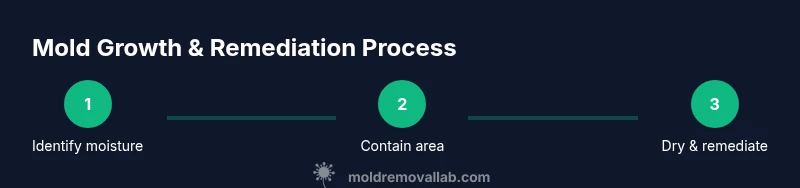
- 1
Identify moisture sources and visible growth
Inspect all rooms for damp spots, leaks, and stains. Document locations with photos and note the type of surface involved. This helps prioritize remediation and prevents over-collection of supplies.
Tip: Take photos from multiple angles to track changes over time. - 2
Contain the affected area
Seal off the space with plastic sheeting and tape to prevent spores from spreading to other rooms. Close doors and avoid disturbing the mold as much as possible.
Tip: Use one-way entry and exit routes for containment to minimize cross-contamination. - 3
Assess moisture and ventilation needs
Check humidity or evident moisture behind walls and under floors. Identify active leaks and fix them as a prerequisite to effective cleanup.
Tip: Address the source first; drying alone won't solve underlying issues. - 4
Plan cleaning with safe methods
Choose cleaning methods based on material. Nonporous surfaces may be scrubbed with detergent; porous materials may require removal and replacement.
Tip: Never mix cleaners; follow label instructions and avoid harsh chemicals on porous materials. - 5
Clean and dry the area thoroughly
Clean affected surfaces, rinse, and dry completely. Use dehumidifiers or fans to expedite drying and reduce residual moisture.
Tip: Continue monitoring humidity after cleaning for several days. - 6
Repair, replace, and restore
Fix structural issues (leaks, seals, insulation) and replace severely damaged materials. Ensure replacement materials do not trap moisture.
Tip: Consider professional assessment for large-scale or structural mold impact. - 7
Consult a professional for extensive growth
If mold covers large areas, recurs after cleaning, or affects HVAC systems, seek a certified mold remediation specialist.
Tip: Professional assessment reduces the risk of incomplete removal and regrowth.
FAQ
What causes fungus to grow indoors?
Fungal growth indoors is driven by moisture, warmth, and available organic material. Spores land on damp surfaces and germinate when conditions are favorable. Addressing moisture sources is the most important prevention step.
Indoor fungi grow when there is moisture and warmth, with a food source available. Stop leaks and dry the area to prevent growth.
Is all mold dangerous?
Not all molds are equally hazardous, but some can affect health, especially for sensitive individuals. Any visible mold should be addressed, and persistent growth warrants testing or professional remediation.
Most mold should be addressed, especially if growth returns after cleaning. If you have health concerns, seek professional help.
Can I clean mold myself?
For small, contained areas on nonporous surfaces, careful cleaning with appropriate cleaners is possible. Large areas, porous materials, or growth behind walls require professional remediation to ensure safety and complete removal.
You can clean small, reachable mold spots yourself with care, but larger problems should be handled by a pro.
How long does remediation take?
Remediation time depends on the size and location of growth and whether materials must be removed. Small jobs may take a few hours; larger infestations may require multiple days and professional equipment.
It varies; expect longer timelines for bigger areas and structural issues.
What humidity level reduces mold risk?
Maintaining indoor humidity at comfortable levels helps reduce mold risk. Use moisture control strategies and monitor humidity after remediation to prevent re-growth.
Keeping humidity in check lowers mold risk and helps protect your home over time.
When should I call a professional?
Call a professional for large areas, recurrent growth, contamination of HVAC systems, or uncertain results after initial cleaning. A certified mold remediation service can ensure safe and complete removal.
If in doubt, or if it keeps coming back, get a professional assessment.
Watch Video
The Essentials
- Identify moisture sources before cleanup
- Contain and protect other areas from contamination
- Fix leaks and dry thoroughly to prevent regrowth
- Choose cleaning methods appropriate for material type
- Call a professional for extensive or recurring mold