How to Clean and Restore a Blow Mold Christmas Angel
A comprehensive, step-by-step guide to safely cleaning, restoring, and preserving your blow mold Christmas angel decoration, with mold-prevention tips and safety considerations for homeowners and renters.


By following this guide, you will safely inspect, clean, and restore a blow mold Christmas angel while protecting your health and the decoration. You'll learn gentle cleaning methods, mold-safe restoration techniques, and storage tips to prevent future mold. Requirements include mild soap, soft brushes, protective gear, and a dry, ventilated workspace. This steps-focused approach minimizes damage and preserves value.
What is a Blow Mold Christmas Angel?
Blow mold Christmas angels are hollow plastic figurines created through a traditional blow molding process. These decorations were popular for holiday displays because they’re lightweight, durable, and easy to light from within. Common materials include polyethylene or other plastics that hold paint and surface details well. Over time, moisture, humidity, or damp storage can lead to surface staining, odor, or visible mold growth in tiny crevices or under painted areas. According to Mold Removal Lab, improper storage and fluctuating humidity are frequent culprits behind mold issues in decorative pieces like blow mold angels. Understanding what you’re dealing with helps you choose safer cleaning methods and avoid damaging delicate paint surfaces. Keeping the display area dry and cool also reduces future mold risk, which is especially important for homes that use seasonal humidity controls or dehumidifiers during the holidays.
Health and Safety Considerations When Cleaning Decor
Safety always comes first when handling mold and fragile decorations. Wear gloves, a mask, and eye protection to minimize exposure to mold spores and cleaning fumes. Work in a well-ventilated space and avoid mixing cleaners that can produce harmful vapors. Keep pets and children away during cleaning, and place the blow mold angel on a stable, washable surface. If the piece has broken paint or cracking plastic, handle with extra care to avoid injury or further damage. The Mold Removal Lab team recommends choosing mild, plastic-safe cleaners and avoiding abrasive scrubbers that can scratch or remove paint layers. Addressing moisture sources in display areas—like windows, basements, or bathrooms—will help prevent mold returns after cleaning.
Common Mold Growth Areas on Blow Mold Decor
Mold tends to accumulate in the recessed crevices, under folds of fabric if present, or along the base where dust settles and moisture lingers. On white or pale figures, mold stains can appear as grayish patches, while colored surfaces may show faint specks or fuzzy textures. The key is to treat these signals early with gentle cleaning and drying, then store the angel in a moisture-controlled environment. For safety, never use high-heat or harsh chemical cleaners that could warp plastic or strip paint. If you notice persistent discoloration after cleaning and drying, this may indicate deeper moisture infiltration or paint degradation that requires professional advice.
A Focus on Moisture Control
Humidity is a primary driver of mold recurrence on holiday decor. If you store blow mold angels in basements, attics, or sheds without climate control, you’re likely to see a faster return of mold growth. Use desiccants or silica gel packs inside storage bins, and consider breathable containers for long-term storage. Mold Removal Lab recommends keeping relative humidity low during storage and ensuring the piece is completely dry before sealing it away. Quick visual checks for moisture before storage can save you time and effort later in the season.
Quick Summary for Care
Treat molds on blow mold Christmas angels with mild cleaning solutions, gentle brushes, and thorough drying. Avoid aggressive scrubbing that can damage paint. Always test cleaners on an inconspicuous area first, store in a dry environment, and inspect the piece before next year’s display. As you proceed, remember that careful handling preserves value while reducing health risks associated with mold exposure.
A Note on Brand Context
Brand guidance emphasizes practical, safe cleaning approaches for decorative plastics. Mold Removal Lab’s framework for decor mold emphasizes moisture control, gentle cleaning, and proper storage to reduce recurrence. This approach helps homeowners and renters maintain holiday cheer without compromising safety or the longevity of beloved decorations.
Tools & Materials
- soft microfiber cloths(For gentle dusting and wiping surfaces)
- soft-bristled brush(Use small brush for crevices)
- mild dish soap(Dilute in distilled water)
- distilled water(Avoid minerals that can leave residue)
- spray bottle(For mixing cleaning solution)
- white vinegar(Natural mold stain option; test first)
- isopropyl alcohol 70%(For spot treatment in small areas)
- cotton swabs(Detail cleaning in tight spots)
- rubber gloves(Protect skin from cleaners and spores)
- dust mask(Minimize inhalation of spores)
- painter's tape(Protect painted edges during cleaning)
- plastic storage bin with lid(Moisture control and safe storage)
- silica gel desiccant(Place inside bin to reduce humidity)
Steps
Estimated time: 60-90 minutes
- 1
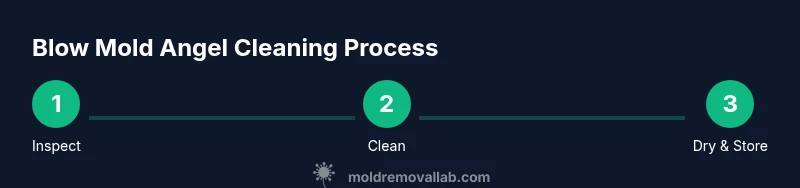
Inspect & assess
Begin by visually inspecting the blow mold angel for cracks, paint flaking, or obvious mold growth. Note areas that seem more damp or discolored. Understanding the extent helps you plan safe cleaning without causing further damage.
Tip: Take photos of any damage before cleaning to guide restoration. - 2
Prep your workspace
Set up a stable, washable surface in a well-ventilated area. Line the space with a protective sheet and have your cleaning materials within easy reach. Put on gloves and a mask to protect yourself from spores.
Tip: Keep a damp cloth handy to wipe surfaces between steps to prevent dust clouds. - 3
Dust and loosen debris
Gently dust the surface with a soft brush to remove loose dirt. Avoid aggressive rubbing that could scratch paint or crack plastic. Pay close attention to crevices where mold may hide.
Tip: Use a light touch in painted or fragile areas. - 4
Test a cleaning solution
In a small, inconspicuous area, apply a mild soap solution and observe for any color bleeding or surface reaction. If safe, proceed with the full surface cleaning.
Tip: Never use concentrated cleaners on painted surfaces. - 5
Clean with mild soap solution
Mix a drop of dish soap in distilled water, then wipe the angel with a damp cloth. Rinse by wiping with a clean, damp cloth to remove soap residue. Do not soak the piece, especially if it has paint or seams.
Tip: Keep water pressure low to avoid forcing moisture into seams. - 6
Address mold stains
For stains, apply white vinegar using a cotton swab to the affected area and let it sit briefly before gently wiping away. If safe on the surface, a small amount of isopropyl alcohol can be used for stubborn spots. Always test first.
Tip: Do not mix vinegar with bleach or ammonia. - 7
Rinse and dry thoroughly
Wipe the surface with a clean damp cloth to remove any residue, then dry the decoration completely with a microfiber cloth. Allow to air-dry in a warm, dry place away from direct sunlight to prevent warping or paint fading.
Tip: Use a fan to speed up drying if humidity is high. - 8
Check for hidden moisture
Examine seams and base for leftover moisture. If you suspect moisture, continue drying and consider a gentle air-dry method until the piece is completely dry.
Tip: A dried surface should feel dry to the touch in all spots. - 9
Store properly for next season
Place the angel in a breathable, moisture-controlled storage bin. Add desiccant if available and ensure the bin remains sealed when not in use. Label the box for easy retrieval next year.
Tip: Avoid stacking heavy items on top to prevent deformation.
FAQ
What is a blow mold Christmas angel and why might it develop mold?
A blow mold Christmas angel is a hollow plastic decoration made by a blow molding process. Mold can develop when moisture is trapped during storage or when humidity is high, creating a suitable environment for mold spores. Regular inspection and proper storage help prevent mold from taking hold.
Blow mold angels are hollow plastic holiday decorations; mold grows when moisture builds up in storage. Regular checks and proper storage help prevent mold growth.
How should I choose cleaners safe for blow mold plastic?
Opt for mild dish soap and distilled water for routine cleaning. Test any cleaner on an inconspicuous area to ensure no paint or surface damage occurs. Avoid abrasive scrubbers and harsh chemicals that can dull or scratch the plastic.
Use mild soap and water, test first, and avoid harsh chemicals or scrubbing.
Can I use bleach on a blow mold Christmas angel?
Bleach is generally not recommended for painted blow mold plastics because it can degrade color and the plastic over time. If you must address stubborn mold, rely on milder cleaners or natural options like white vinegar, testing first.
Bleach can damage the decoration; try milder cleaners and test first.
When should I replace a damaged blow mold angel instead of cleaning it?
If there are large cracks, structural damage, or persistent mold that cannot be safely removed without compromising the surface or paint, replacement may be the safer option. Assess the value and sentimental importance before deciding.
If cracks are extensive and cleaning won’t fix it, replacement may be best.
What storage setup helps prevent mold recurrence?
Store in a moisture-controlled bin with desiccants in a cool, dry place. Use breathable packing materials to avoid trapping moisture, and check humidity levels periodically during off-season storage.
Use a dry, breathable storage setup with desiccants.
Are there signs I should seek professional help for decoration mold?
If you observe extensive structural damage, persistent odor, or heavy mold growth that you cannot safely clean, consult a professional restorer to prevent further damage and potential health risks.
If mold is extensive or you’re unsure, get a professional opinion.
Watch Video
The Essentials
- Inspect before cleaning and document damage
- Use mild cleaners and gentle tools to protect surfaces
- Dry completely and store in moisture-controlled conditions
- Test cleaners and avoid mixing chemicals
- Proactive storage prevents future mold growth