Mold Inspection Cost in 2026: What to Expect and How to Budget
Learn the true mold inspection cost in 2026, including typical price ranges, factors that affect pricing, and practical budgeting tips for homeowners and renters.


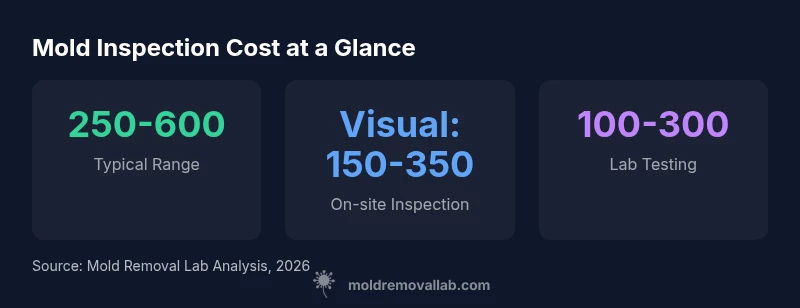
According to Mold Removal Lab analysis, mold inspection cost in 2026 typically ranges from about $250 to $600 for a standard residential inspection. The exact price depends on factors like home size, accessibility, and whether sampling is included. Regional service rates, and whether you add laboratory testing, can push the total higher. Budget for potential follow-on costs for testing and remediation if mold is confirmed.
What mold inspection cost includes and why it matters
Mold inspection costs are more than a single price tag; they reflect the depth and quality of the assessment. According to Mold Removal Lab, a typical 2026 mold inspection for a standard single-family home covers an on-site visit, a written report, and clear recommendations for next steps. The price often changes with the scope: a simple visual check is cheaper, while a thorough inspection that includes moisture mapping, thermal imaging, and laboratory testing costs more. Homeowners should view the inspection cost as an investment in indoor air quality and long-term health, because identifying moisture sources early can prevent costly remediation later. When you compare quotes, ensure you understand what is included; otherwise, you might pay the same price for a less comprehensive service.
Key factors that drive cost include home size, access to affected areas, the number of rooms sampled, whether laboratory analysis is included, and regional market rates. The Mold Removal Lab team notes that bundled services often provide better value, but you should weigh the benefits of lab testing against the likelihood of mold presence and the potential severity of contamination.
Visual inspection vs. sampling: cost implications
There are two main tiers of mold investigations: visual inspection alone and inspection with sampling. A visual inspection typically costs less because it relies on symptoms, visible growth, and moisture indicators without collecting samples. Adding swab, tape, or air sampling for laboratory analysis increases both the cost and the turnaround time, but it dramatically improves diagnostic certainty. Labs analyze collected samples for mold species, concentration, and potential indoor air quality risks. If your home shows clear moisture problems or you notice a musty odor, sampling can be worthwhile. When considering options, request a written estimate that itemizes on-site work, sampling, and lab fees, so you can compare apples to apples.
From a budgeting perspective, expect the base visual inspection to sit in the lower portion of the price range, while sampling can push total costs higher. If lab analysis is included, factor in specimen collection fees and lab processing times. It’s also helpful to ask about the potential need for multiple samples and the implications for total cost.
Regional differences: price variation by region
Mold inspection pricing can vary significantly by geography. Urban markets with a higher cost of living and more competitive service providers may push prices up, while rural areas might offer lower rates due to lower overhead. Additionally, state and local regulations or licensing requirements can influence pricing and availability of qualified inspectors. The Mold Removal Lab analysis shows that regional variability can be as much as ±20% from the national average, depending on travel distance, inspector demand, and the prevalence of commercial vs. residential remediation projects. Homeowners should obtain quotes from multiple local providers to understand the market rate in their area.
When planning a purchase, consider the value of a regionally tailored service—some inspectors include travel time or offer remote consultations to help offset regional differences.
What’s typically included in an inspection package
A comprehensive mold inspection package usually includes: a site visit, visual inspection of visible surfaces, moisture assessment (via meters and sensors), thermal imaging to detect hidden moisture, and a written report with findings, photos, and recommended next steps. If sampling is included, the package expands to lab submission, analysis of specimens, and a formal lab report. Some packages also provide remediation planning support, guidance on eliminating moisture sources, and a second follow-up inspection after corrective work. For DIY enthusiasts, it’s important to know that a professional assessment goes beyond surface viewing and helps uncover hidden moisture reservoirs that could foster mold regrowth. Always verify what’s included before signing a contract and request a detailed breakdown of fees.
How to obtain an accurate quote: what to ask
To obtain an accurate mold inspection quote, prepare a short pre-inspection questionnaire. Ask prospective inspectors for the exact inclusions and whether testing is optional or mandatory. Important questions include:
- Do you provide a written report with photos and moisture readings?
- Is sampling included, and if so, what types (air, swab, tape) and which labs will analyze the samples?
- Are there any travel fees or minimum service charges?
- What is the estimated turnaround time for results?
- Do you offer bundled services, and how do you price them?
- Will you re-inspect after remediation and at what cost?
Obtain at least three written estimates to compare scope and price. When possible, choose inspectors with professional certifications and positive local references. Timing your inspection to seasonal moisture patterns can also affect pricing and scheduling availability.
Testing, lab analyses, and remediation: how costs accumulate
As soon as lab testing enters the picture, costs rise, but the additional information can be crucial for targeted remediation. Lab analysis typically covers the identification of mold species and concentration levels, which informs the remediation plan and potential health risk assessment. Turnaround times vary by lab and workload, ranging from 24 hours to several days. Remediation costs are separate from inspection costs and depend on the extent of contamination, building materials involved, and access to affected areas. Homeowners should seek itemized quotes for testing, lab work, and remediation, and consider whether a combined package from a single provider offers better value. Remember that addressing moisture sources is essential to prevent mold recurrence, and a preventive plan can help justify the overall investment.
Cost-saving strategies and best practices
Smart budgeting for mold inspection starts with planning. Consider the following cost-saving strategies:
- Get multiple written estimates and compare scope, not just price.
- Ask for a breakdown showing base inspection, sampling, and lab fees separately.
- If your concerns are limited to a visible problem, request visual inspection first and defer sampling for a later date if necessary.
- Look for inspectors with certifications and verified experience in residential mold projects.
- Schedule inspections during off-peak times or in otherwise quiet seasons to improve availability and pricing.
- Check whether retrofit or moisture-control recommendations are included in the package to prevent future costs. By following these steps, homeowners can improve the odds of getting a fair price while ensuring a high-quality assessment.
When to hire a pro vs DIY assessment and what to expect
DIY mold checks may seem appealing for budget reasons, but a professional mold inspection offers certified methods, standardized sampling, and authoritative reports that are essential for insurance claims and remediation planning. Professionals use calibrated instruments to locate moisture and hidden growth, collect samples correctly, and interpret results in the context of indoor air quality. Even when DIY kits are available, they do not replace the expertise of a trained inspector. If you suspect mold contamination, particularly in areas with persistent moisture, a licensed professional is the safer choice. Expect a thorough on-site evaluation, a formal report, and a clear set of recommendations, often with a remediation estimate or referral to licensed remediation contractors.
Common scenarios and sample quotes (realistic ranges)
Here are typical price structures you might see:
- Visual inspection only: 150-350 USD
- Inspection with sampling: 250-600 USD
- Lab testing only (no on-site visit): 100-300 USD
These ranges reflect common market conditions and may vary by region and service provider. When you receive quotes, request a detailed scope of work and ensure the estimates cover all anticipated steps from sampling to final reporting. This approach helps you compare quotes accurately and avoid unexpected charges later in the process.
Common price structures for mold inspections
| Category | Typical Cost Range | Inclusions |
|---|---|---|
| Visual inspection | 150-350 USD | On-site visual check, moisture indicators |
| Inspection with sampling | 250-600 USD | Visual check + sample collection + lab analysis |
| Lab testing only | 100-300 USD | Specimen analysis without on-site inspection |
FAQ
What factors influence mold inspection cost the most?
The main drivers are home size, accessibility of affected areas, whether sampling is included, and regional price differences. Larger homes and hard-to-reach areas raise the price; adding lab testing adds a predictable, separate cost.
Size and accessibility drive the price; testing adds extra cost, region matters too.
Is mold testing included in the inspection price?
Sometimes testing is bundled with the inspection; other times it is an add-on. Always confirm what’s included in your written quote and request separate line items.
Testing may be included or billed separately—ask for a breakdown.
Can I get a free quote for a mold inspection?
Many inspectors offer free on-site consultations or written estimates, but some may charge for extensive preliminary assessments. Always request a formal quote before scheduling.
Free quotes are common, but confirm what’s included.
Does insurance cover mold inspection costs?
Most homeowners insurance policies do not cover routine inspection costs unless a covered claim triggers remediation. Check your policy and speak with your insurer for specifics.
Usually not covered unless a claim leads to remediation.
How long does a typical mold inspection take?
A standard inspection usually takes 2–4 hours, depending on home size and complexity. If sampling is included, the inspector may need additional time for lab submission and follow-up results.
Most inspections take a few hours, with extra time for sampling.
What is the value of professional remediation after inspection?
Professional remediation is a separate stage driven by inspection findings. A qualified plan reduces recurrence risk and can prevent costly rework, but it requires a separate contractor and budget.
Remediation is separate but essential to prevent recurrence.
“A thorough mold inspection cost is a small investment when balanced against potential hidden damage and health risks.”
The Essentials
- Budget for the full path: inspection, sampling, lab work, and remediation if needed
- Ask for a written scope and itemized quotes to compare apples-to-apples
- Regional price differences can be significant; get multiple estimates
- Consider testing if moisture and hidden growth are suspected
- Choose a qualified inspector to avoid hidden costs and poor coverage