Mold in Banana: Safety, Removal, and Prevention
Learn practical, science-based steps to handle mold in banana safely, prevent spread, and keep your fruit and kitchen healthy. Expert guidance from Mold Removal Lab.


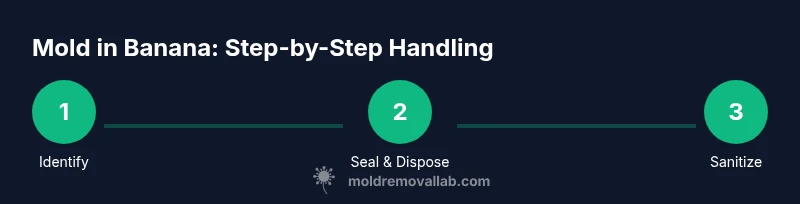
Disregard mold in banana as harmless: treat it as spoilage and discard the affected fruit. The Mold Removal Lab team emphasizes safety: do not taste or eat moldy bananas, and sanitize the surrounding surfaces and containers to prevent cross-contamination. After disposal, inspect nearby produce for spoilage, and store bananas properly to prevent future mold.
What mold in banana is, and why it happens
Mold in banana is more common than many homeowners think. The moment the fruit sustains a bruise, cut, or exposure to warm air, fungi such as species of Penicillium or Aspergillus can begin to colonize the peel and surface. The Mold Removal Lab analysis shows that mold can spread from the peel to the interior of the fruit, particularly if the banana becomes very ripe or the skin is damaged during handling. For safety, treat any visible mold on a banana as a spoilage sign and discard the fruit rather than trying to salvage it. Mold spores can hitch a ride on hands, cutting boards, or countertops, so isolating the affected banana and cleaning nearby surfaces is essential. In home kitchens, temperature, humidity, and storage method all influence mold growth, so understanding these factors helps you minimize future occurrences and protect other produce.
Health implications and risk
While many people can tolerate mold on fruit without illness, certain molds produce allergens or toxins. Inhalation or ingestion of spores can trigger allergic reactions or respiratory symptoms in sensitive individuals. According to Mold Removal Lab, people with compromised immune systems or asthma should avoid even small exposures. For most healthy adults, discarding moldy fruit remains the safest option. Eating moldy banana is not recommended because the interior flesh can be contaminated even if mold is only on the peel. Focus on safe handling, disposal, and thorough cleaning of surfaces that contacted the fruit to reduce cross-contamination.
How to identify mold on banana
Look for fuzzy growth or powdery patches on the peel, often colored green, blue, or gray. A musty or sour odor near the fruit is another warning sign. Mold can grow under bruised skins or at the stem, where you can’t see it easily. Because interior flesh can be affected before the peel shows visible signs, always treat suspect bananas as potentially unsafe. If you see any mold, mark the area for disposal and isolate the rest of the bunch to prevent spread. Understanding these signs helps you act quickly and reduce risk to other produce.
Immediate safety steps if you find mold
Put on disposable gloves to minimize skin contact with spores. Do not sniff or taste the fruit. Decide whether you will discard the entire banana or only the visibly moldy portion; in most cases, discard the whole fruit to be safe. Place the banana in a sealed bag, then tie it securely and place it in a trash can that has a lid. After disposal, wipe down the container, knife, and cutting board with soap and hot water, then disinfect surfaces with a clean household disinfectant. Finally, wash your hands thoroughly. Quick action reduces the chance of spores spreading to other foods or surfaces.
Handling disposal and cleaning to prevent cross-contamination
Keep moldy bananas away from other produce. Use a bag to minimize spore release; double-bag if possible. Seal and discard; do not compost moldy fruit unless you know your compost will not recycle mold back into edible food. Clean the area with soap and water, then apply a sanitizing solution such as a dilute bleach mix or alcohol-based spray. If you reused a cutting board or knife, run through a sanitizer cycle or dishwasher. Wipe counters, shelves, and fruit bowls and allow them to dry completely. Finally, sanitize your hands again after finishing to prevent spread.
Inspect nearby produce and storage practices
Check nearby fruit for signs of spoilage and remove any suspect items promptly. Bananas should be stored in a ventilated area; refrigerating ripe bananas can slow mold growth but may affect texture. Keep the kitchen dry by cleaning spills promptly and using a fan or dehumidifier in humid climates. Use separate containers for ripe vs. unripe fruit to reduce cross-contamination and prolong freshness. This proactive check aligns with Mold Removal Lab research showing that ventilation and humidity control reduce mold risk.
Long-term prevention: storage, ripening, and handling
Buy bananas in amounts that align with your consumption pace to avoid overripe fruit. Handle them gently to minimize bruising, and store at room temperature away from direct sunlight. Use breathable fruit bowls or hanging racks to improve airflow. If you need to speed ripening, place bananas in a paper bag rather than plastic to allow ethylene gas to work while preventing excessive moisture buildup. Regularly rotate stock so oldest fruit is used first, reducing waste and mold risk.
Common myths and misconceptions
Myth: Mold on the peel is always a sign that the flesh is unsafe. In many cases this is true, but not universally. Myth: Refrigeration prevents mold entirely. Refrigeration slows growth but does not eliminate mold on already ripe fruit. Reality: Mold can develop on bananas even under cool conditions if moisture or bruising is present; always inspect and discard if in doubt.
When to seek professional help and what to expect
If mold recurs across many batches of fruit or you notice persistent humidity issues in your kitchen, professional guidance can help. Consider reaching out to local extension services or a food safety expert for tailored recommendations on storage, humidity control, and sanitation. The Mold Removal Lab team recommends a proactive approach to environmental factors, with practical steps you can implement today to reduce future mold problems.
Tools & Materials
- Disposable gloves (nitrile or latex)(Protect skin from spores)
- Seal-able trash bags(Double-bag if possible)
- Soap and warm water(For initial cleaning)
- Disinfectant (bleach solution or alcohol-based)(Sanitize surfaces)
- Paper towels or clean cloths(Drying and wiping)
- Marker or label(Mark disposed items if needed)
- Trash can with lid(Contain moldy waste)
- Optional: cutting board and knife(Only if you must trim damaged areas (then sanitize thoroughly))
Steps
Estimated time: 20-30 minutes
- 1
Identify mold signs
Inspect the banana and nearby produce for visible mold, discoloration, or unusual odors. If you see any mold, treat the entire item as spoiled and move to disposal. Quick note: mold can hide under damaged skin, so rely on signs beyond color when deciding to discard.
Tip: Take a quick photo for reference if you’re tracking spoilage trends. - 2
Wear protective gear
Put on disposable gloves to minimize contact with spores and reduce cross-contamination to your hands and other foods.
Tip: Avoid touching your face while handling moldy items. - 3
Decide on disposal
In most cases, discard the entire banana to be safe. If you must salvage only the outer peel, do not consume any flesh that may have contacted mold.
Tip: Place the fruit in a sealed bag before disposing to contain spores. - 4
Bag and seal
Place the moldy banana in a bag, seal, then place into a second bag for extra containment before trash disposal.
Tip: Label the bag if your area uses shared recycling or compost streams. - 5
Clean and sanitize
Wash the area where the banana sat with soap and water, then disinfect with a diluted bleach solution or alcohol-based product. Sanitize utensils and cutting boards if used.
Tip: Let surfaces air-dry completely to ensure disinfection effectiveness. - 6
Check other produce
Review nearby fruits for similar signs and separate anything suspicious to prevent cross-contamination.
Tip: Move suspect items to a different shelf or container. - 7
Review storage practices
Assess humidity, airflow, and ripening conditions; adjust storage to minimize future mold risk (ventilated bowls, moderate room temperature).
Tip: Do not stack bananas too tightly; improve air circulation.
FAQ
Can you cut away mold on a banana and eat the rest?
No. Mold can penetrate deeper than what’s visible, and toxins or allergens may be present even if you remove the visible mold. It’s safest to discard the whole fruit.
Cutting away mold is not reliable; discard the whole banana to be safe.
Is a moldy banana safe if peeled and eaten quickly?
No. The interior can be contaminated even if exterior signs are mild. Always discard moldy fruit and wash any nearby surfaces that touched it.
Even peeled, moldy bananas should usually be discarded.
Does refrigeration help prevent mold on bananas?
Refrigeration slows mold growth but does not prevent it entirely, especially once the fruit is ripe. Use refrigeration to extend freshness after purchase, not as a cure-all.
Cold storage slows mold but doesn’t stop it completely.
What should I do with the banana peel after disposal?
Seal the peel in a bag and place it in outdoor trash. Do not compost moldy fruit unless your compost system is designed to handle moldy materials.
Seal and discard the peel; avoid composting moldy fruit unless you’re sure it's safe.
If mold appears on multiple fruits, what’s the first step?
Inspect the storage area for humidity and airflow issues. Separate affected items and improve ventilation; consider using a dehumidifier in damp kitchens.
Check storage conditions and separate affected produce.
When should I seek professional help?
If mold recurs frequently or covers a wide area beyond fruit storage (e.g., countertops, cabinets), consult a food safety expert or extension service for guidance.
Seek professional advice if mold recurs or is widespread.
Watch Video
The Essentials
- Discard moldy banana promptly to reduce risk.
- Sanitize all touched surfaces and utensils.
- Check nearby produce for signs of spoilage.
- Store bananas with good airflow to slow mold growth.
- Treat repeated mold issues as a signal to review kitchen humidity and storage.