Why Is Mold Growing on My Bathroom Ceiling? A Practical Troubleshooting Guide
Urgent, practical steps to identify moisture sources, fix leaks, and prevent mold growth on bathroom ceilings. Learn how to diagnose, remediate, and prevent recurrence with Mold Removal Lab.


According to Mold Removal Lab, the most likely cause of mold growth on a bathroom ceiling is persistent moisture from showers, leaks, or humid air paired with inadequate ventilation. Quick fix: inspect for leaks, upgrade or run the exhaust fan during and after showers, and dry the area completely before replacing or cleaning affected surfaces. If mold returns, escalate remediation and check for hidden moisture sources.
Understanding the Core Problem
Mold on a bathroom ceiling is not just unsightly; it signals a moisture problem that, if ignored, can worsen and affect indoor air quality. Many homeowners wonder why is mold growing on my bathroom ceiling. In most cases, the root cause is repeated exposure to humidity without adequate ventilation, especially after hot showers. This is when Mold Removal Lab's analysis shows that moisture trains mold to thrive, feeding on organic materials like drywall and paint. By tackling the moisture source first, you address the underlying trigger rather than just cleaning the surface. In addition, bathroom ceilings can accumulate condensation on cold surfaces, turning into a long-term issue if left unaddressed. Addressing this early reduces risks to health and structural integrity.
Common Causes in Bathrooms
Bathrooms are high-humidity environments. The question why is mold growing on my bathroom ceiling often starts with moisture dynamics: steam from showers, leaks, and lack of air exchange. A busy household, poor bath exhaust, and variable ambient temperatures create a perfect environment for molds such as Aspergillus or Cladosporium to establish colonies on painted drywall or plaster. Inadequate surface drying after cleaning or painting can leave micro-dimensions of moisture that foster growth. Poor insulation behind the ceiling can also trap warm, moist air, which condenses on cold surfaces. Understanding these triggers helps homeowners target the right fix rather than merely scrubbing away mold.
How to Inspect Safely
If you’re asking why is mold growing on my bathroom ceiling, start with a safe, systematic inspection. Look for ongoing water sources around the shower, sink, or any plumbing fixtures that connect to the ceiling. Run the bathroom vent continuously for a full cycle after showers and check that the exhaust duct is clear. Inspect the attic or crawl space above the ceiling for signs of roof leaks or condensation that could travel through to the ceiling. Use a moisture meter to identify elevated RH levels and damp drywall edges. Always wear gloves, eye protection, and a respirator when mold is present. mold growth on ceilings can spread quickly, so be methodical and cautious.
Immediate Fixes You Can Do Now
To stop further growth, begin with non-chemical fixes: improve ventilation, reduce humidity, and dry the area thoroughly. Wipe down the ceiling with a mild detergent and allow it to dry completely before repainting with mold-resistant paint. If the area shows staining or active growth, consider a mold-specific cleaner and follow label directions, applying in a well-ventilated space. Address any visible leaks by sealing joints and repairing flashing or roofing where needed. If you’re still asking why is mold growing on my bathroom ceiling, this is usually the result of ongoing moisture issues rather than a one-off spill.
Long-Term Solutions and Prevention
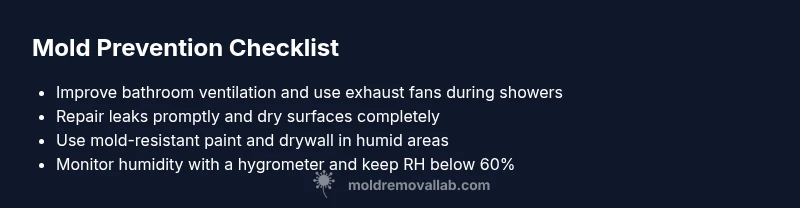
Long-term prevention hinges on moisture control and continuous airflow. Maintain RH levels below 60% with an active exhaust fan and, if possible, a dehumidifier in damp seasons. Use mold-resistant drywall or coatings in high-humidity zones. Reconsider shower schedules to reduce peak humidity, and ensure the bathroom door and windows can exchange air. Regularly inspect for leaks in plumbing above the ceiling and repair promptly. Remember that consistent prevention is more effective than periodic cleanup, especially when dealing with a ceiling that has already shown mold growth on a bathroom surface. If you maintain proper humidity and ventilation, you reduce the odds of repeating the scenario that led to mold growth on the ceiling.
When to Call a Pro
While many cases can be handled with improved ventilation and surface cleaning, some situations require professional remediation. If mold growth on a bathroom ceiling is widespread, if you notice recurrent moisture after repairs, or if you have health concerns such as respiratory symptoms, contact a licensed mold remediation contractor. A pro will perform containment, safe removal, and structural checks, including insulation and roof/pipe assessments. For persistent moisture problems, professional evaluation may reveal hidden leaks or HVAC-related humidity that DIY methods overlook. In these scenarios, calling a pro minimizes health risks and ensures thorough removal.
Quick Reference: Do and Don't
- Do improve ventilation and monitor humidity.
- Do address leaks promptly and test after repairs.
- Don’t mix cleaners without safety guidance; read labels carefully.
- Don’t ignore recurring mold; it signals a hidden moisture problem.
- Do consider professional help when growth is extensive or health symptoms persist.
Steps
Estimated time: 2-6 hours
- 1
Assess safety and prep area
Put on PPE (gloves, goggles, N95 mask). Turn off nearby electrical outlets if spraying near any wiring. Ventilate the room and lay down drop cloths to catch debris. This step sets the stage for safe remediation.
Tip: Wear a respirator to avoid inhaling spores and ensure kids/pets are out of the room. - 2
Identify moisture sources
Inspect the shower enclosure, ceiling joints, and any plumbing above the ceiling for leaks. Run the exhaust fan for an extended cycle after showers and monitor humidity with a meter if possible.
Tip: Document any leaks with photos so repairs are targeted and verifiable. - 3
Control moisture and dry the area
Use dehumidifiers or fans to reduce humidity; dry wet areas completely before proceeding with cleaning or repainting. Ensure the surface is dry to the touch and that no condensation forms on cold surfaces.
Tip: Aim for a moisture level below 60% RH before finishing repairs. - 4
Clean and treat affected surfaces
Wipe moldy areas with a detergent solution, then apply a mold-resistant primer or paint. Follow product labels for kill-time and ventilation requirements.
Tip: Do not use bleach on porous drywall; it can degrade the surface and release more spores. - 5
Repair and restore
If drywall is damaged, replace affected sections and reseal with mold-resistant materials. Repaint with mold-resistant paint and finish with proper sealing around joints.
Tip: Ensure proper curing time between coats and verify ventilation continues post-repair. - 6
Monitor and prevent recurrence
Keep monitoring humidity and signs of new moisture. Maintain ventilation, inspect for leaks, and re-check after heavy showers or winter conditions.
Tip: Set a seasonal reminder to inspect ceilings and vents before humidity spikes.
Diagnosis: Mold growth on bathroom ceiling
Possible Causes
- highInadequate ventilation and high humidity in bathroom
- mediumHidden leaks from roof or plumbing above the ceiling
- lowPoor surface prep or lingering moisture after cleaning
Fixes
- easyUpgrade or repair the exhaust fan; run during and after showers for several cycles.
- mediumIdentify and repair leaks from plumbing or roof; seal joints and fix flashing.
- hardConsult a professional mold remediation service for significant growth or health concerns.
FAQ
What causes mold to grow on a bathroom ceiling?
Mold on a bathroom ceiling is usually triggered by persistent moisture from showers, leaks, and insufficient ventilation. Condensation and warm temperatures further encourage growth. Addressing the moisture source is essential to stop ongoing growth.
Mold on a bathroom ceiling is typically caused by moisture and poor airflow. Fix the humidity and ventilation first to stop regrowth, then clean and seal affected areas.
Is bathroom mold dangerous to health?
Yes, some bathroom molds can affect air quality and trigger allergies or asthma symptoms. If you have respiratory issues, consider professional assessment. Protect yourself during cleanup and ensure proper containment.
Bathroom mold can affect health for some people, especially those with allergies or asthma. Take precautions and seek professional help if health symptoms occur.
Can I remove mold myself?
Small, isolated mold patches can be cleaned with appropriate safety gear and cleaners. Always fix moisture sources and monitor; extensive growth or hidden leaks require a pro.
You can remove small patches with safety gear and cleaners, but big growth or hidden leaks should be handled by a professional.
How long does remediation take?
Remediation duration depends on the extent of growth and moisture control. Simple cases may resolve in hours, while larger problems could require days and additional repairs.
Remediation time varies. It could be hours for small jobs, longer if leaks or structural work is needed.
What can I do to prevent bathroom mold in the future?
Maintain humidity under control, ensure proper ventilation, fix leaks promptly, and use mold-resistant materials in high-humidity zones. Regular inspections help catch issues early.
Preventing bathroom mold is about humidity control and timely repairs, plus using mold-resistant finishes.
When should I call a professional?
If mold covers large areas, if you suspect hidden leaks, or if you have health concerns, hire a licensed mold remediation contractor. They will contain, remove, and test the area safely.
Call a professional if the mold is widespread, leaks are suspected, or health concerns arise.
Watch Video
The Essentials
- Act quickly to stop moisture sources.
- Fix ventilation and leaks before cleaning.
- Use mold-resistant products for long-term protection.
- Monitor humidity to prevent recurrence.
- Call a professional if mold returns after remediation.